

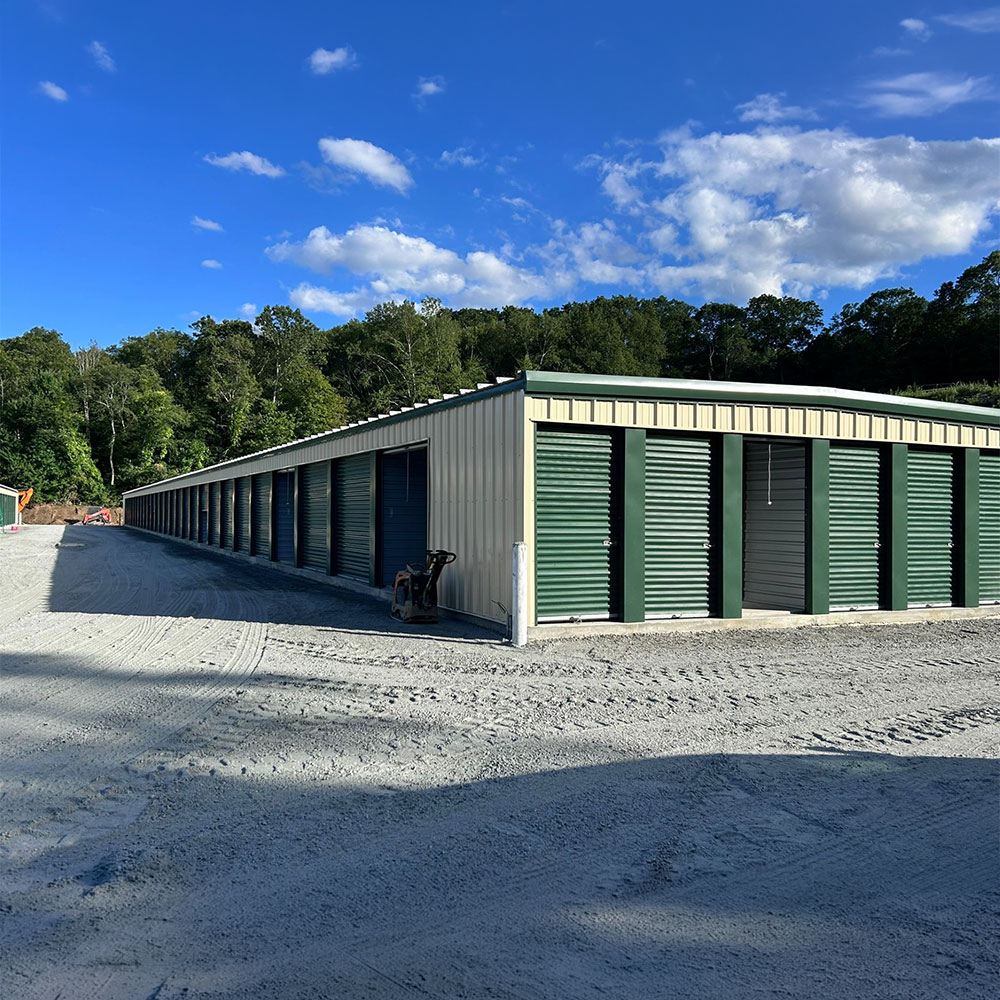
 Mini-Storage
Self-Storage · Mini-Storage
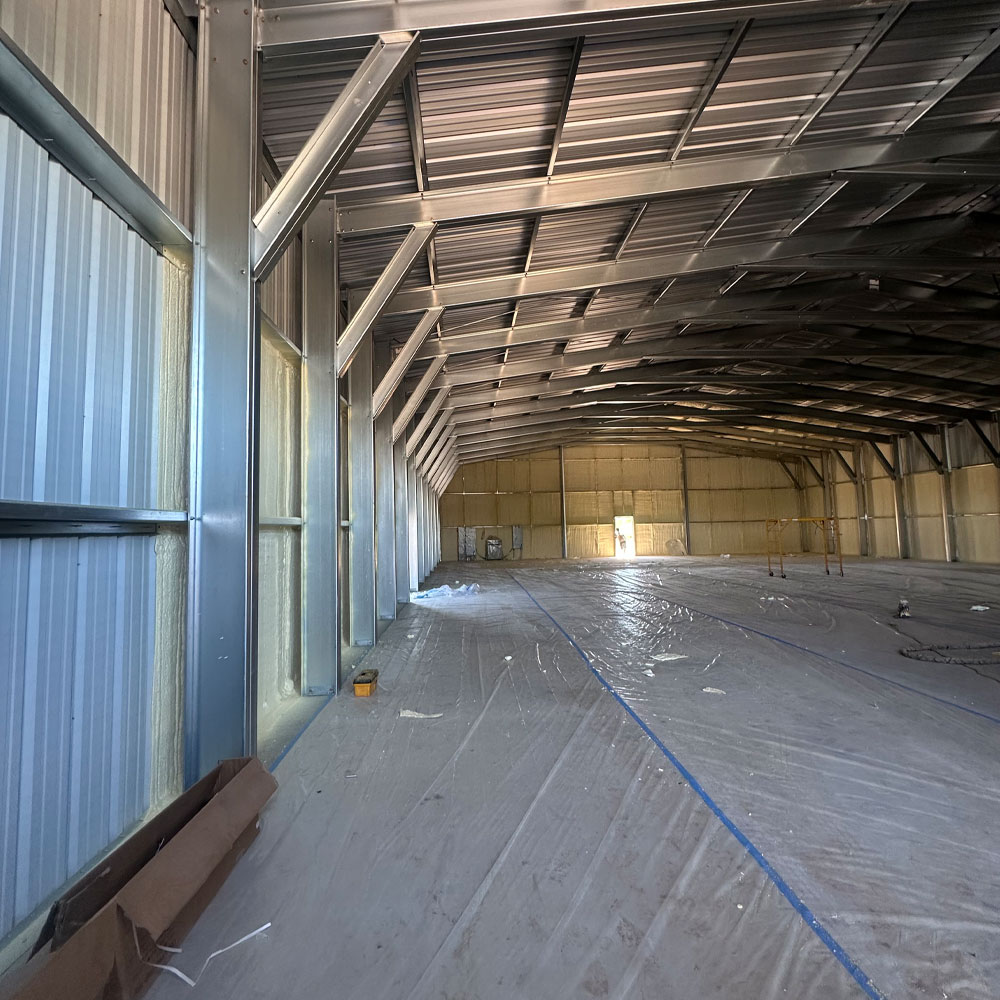
Mini Storage-27,600 Sq Ft Uncasville, CT
27,600 sq ft total
Uncasville, CT Verified ROI Client
Metal Building Products
Prefabricated metal buildings serve all kinds of purposes, from housing farm equipment and providing workshop space to accommodating warehouses and large manufacturing operations. However, some building types work better than others for certain applications, and choosing the right metal building supplier can make a big difference in helping you find a suitable system.
ROI Metal Buildings works with more than 15 national suppliers of red iron metal buildings, cold formed steel buildings and other metal building products, giving you access to a wide range of sizes, configurations and customization options. We can help you compare steel building systems from multiple suppliers, rather than limiting your metal building supply options to one manufacturer, and we also bring more than 150 years of combined industry experience to the process, whether you’re planning a modest personal storage building or a major commercial project.
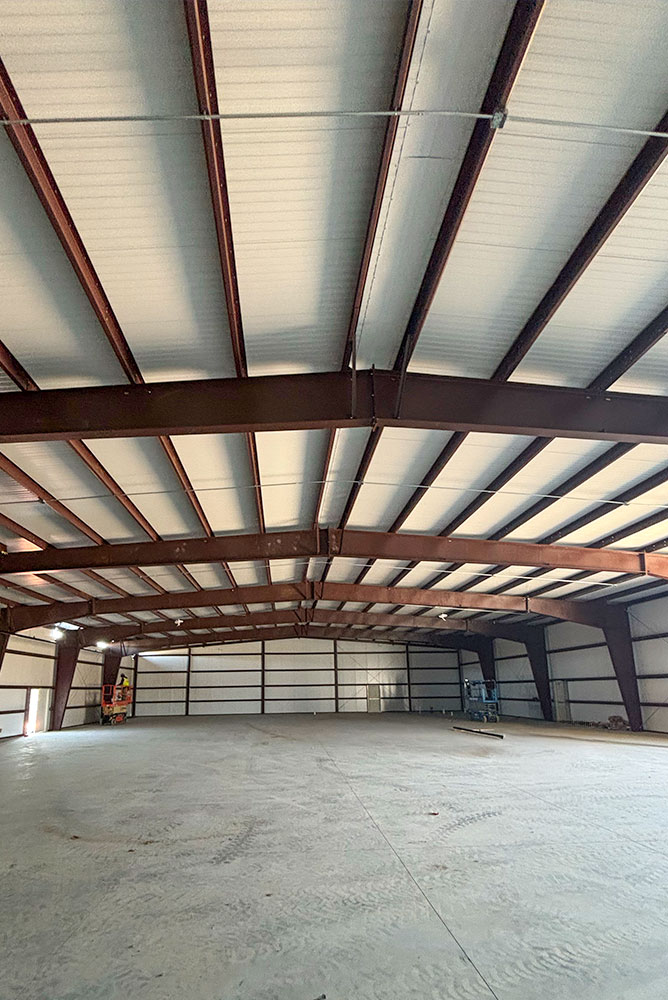
Different types of framing systems can serve different purposes, so it’s worth understanding the key differences before deciding what type of metal building kit might work best for your project. Here are some of today’s common prefab metal building types.
Large equipment, overhead doors and the need for unobstructed floor space can all influence the design of warehouses, riding arenas and manufacturing facilities. Red iron metal buildings can accommodate all three, with heavy structural steel framing that gets its name from the reddish primer manufacturers typically apply to it. Red iron building construction also makes it possible to incorporate mezzanines, provided the building’s design accounts for the additional weight.
Featuring components that are lighter and easier to handle than those in red iron buildings, cold formed metal buildings go through a specific fabrication process that involves shaping structural steel while it’s at room temperature. The lighter components can simplify handling onsite, particularly for garages, workshops and smaller commercial structures. Whether cold formed metal works well for pre engineered metal buildings depends on the dimensions, intended use and loads the building has to support.
Fabricated for use in the recession-resistant self-storage industry, prefab mini storage buildings can house everything from standard home goods and furniture to boats, aircraft and RVs. Many are climate-controlled, and most steel mini storage buildings feature wide clear spans divided by steel partitions, allowing them to accommodate a broad range of storage unit sizes and configurations.
Pre-engineered metal buildings come in many different shapes, sizes and styles, making it easy to modify yours to meet specific needs. Common types of pre engineered steel buildings include warehouses, industrial buildings, garages, workshops, schools, churches, commercial buildings and more.
Somewhat assembled by the time they make their way to your build site, prefabricated metal buildings are an affordable and quick-to-raise alternative to many other building types. Many feature wide clear spans that don’t rely on interior supports, making the most of the floor space available.
Nearly every metal building kit comes with the building’s frame (primary and secondary), roof and wall panels, trim, fasteners and erection drawings. After that, the contents of the metal steel building kit will depend on where you buy it. For example, some metal building suppliers might include doors and gutters in their prefabricated metal building kits, while others might outsource or charge extra for them. The same holds true when it comes to insulation, windows and accessories.
So, before you start comparing prices, get each quote broken down in detail. What are the roof and wall specs? Which door and window openings come with the kit, if any? It’s not unusual for two kits to have the same footprint, but different price points, simply because one has, say, heavier panels or more components in the box.
Keep in mind, too, that the price of the steel building kit isn’t all-encompassing. You may also have to cover expenses related to site prep, permits, labor, utility hookups and whatever interior work the building needs. It’s much easier to factor those in now, while you’re still shopping, than it is once your project is already underway.
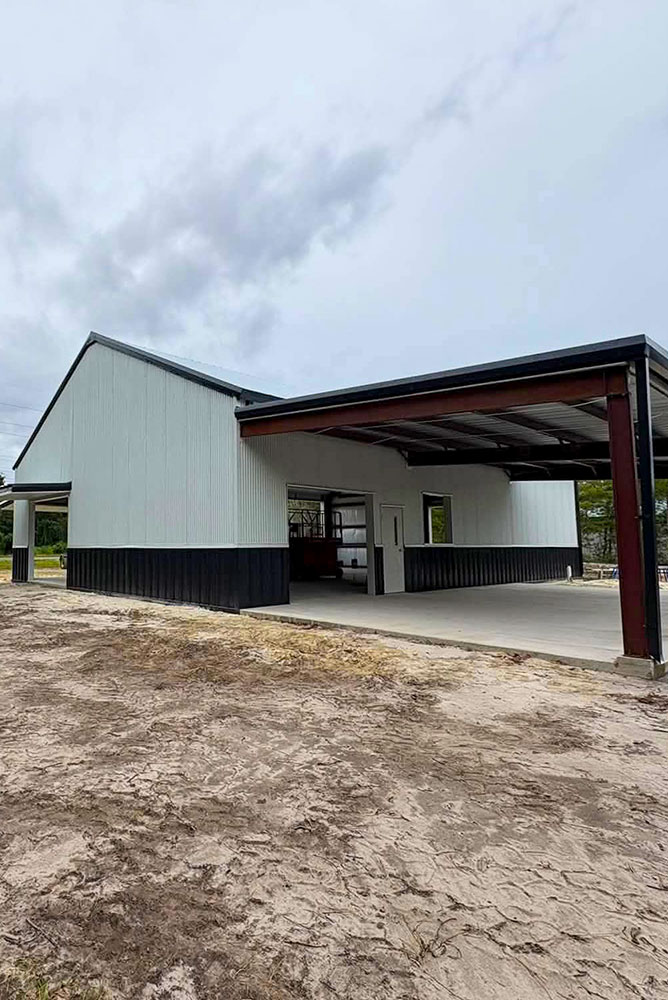
While square footage certainly matters when designing a steel building, metal building sizes don’t tell the whole story. For example, you can achieve a 1,200-square-foot building footprint with a 30×40 or 20×60 metal building, but each option would have a very different layout, with one of the prefabricated steel buildings much longer than the other.
A 60×100 metal building offers 6,000 square feet for equipment storage, workshops or smaller commercial operations, among other possibilities. If you’re considering 60-foot-wide metal buildings, 60×120 steel building increases that area to 7,200 square feet without adding width, which may suit a property with room to extend the building lengthwise.
Many people choose 80-foot-wide metal buildings to use as warehouses, distribution centers, agricultural buildings, gymnasiums or commercial buildings, among other common uses. An 80×80 metal building with a clear span provides 6,400 square feet of interior floor space. An 80×100 metal building, meanwhile, gives you 8,000 square feet with which to work. An 80×120 building is another common size that gives you 9,600 square feet of space to use as you wish.
If you’re looking to design a prefab metal building for warehouse, manufacturing, athletic, agricultural or other use, you might want to consider a 100-foot-wide metal building. 100×100 steel buildings give you 10,000 square feet of open floor space, while a 100×150 steel building delivers 15,000 square feet of usable space, and a 100×200 metal building offers 20,000 square feet of functional floor space.
A metal building 100×100 in size may work especially well for operations that need a substantial amount of floor space without extending too far lengthwise. The most useful layout for a 100’ wide metal building will depend on certain variables, such as where entry points need to be and what your building’s intended use is.
A 120-foot-wide structure may suit agricultural operations, warehousing or manufacturing that requires considerable open space. An 80×120 metal building is a popular choice that delivers 9,600 square feet of usable floor space. Interior columns can affect circulation and equipment placement, so ask about clear-span options and the cost differences between framing configurations before choosing a particular steel building package.
Often a desired size for riding arenas, recreational facilities and large industrial operations, 150’ wide metal buildings feature open interiors that can accommodate multiple vehicles, sports courts or storage units.
200-Foot-Wide Metal Buildings
A 200×200 metal building gives you 40,000 square feet of space to work with, making it a strong option for large-scale industrial operations or storage facilities.
Before settling on a size, consider whether you might need additional room down the road, since expanding an existing building can be more complicated and costly than planning for that space from the start.
Real projects from verified ROI clients across the country.
Mini-StorageSelf-Storage · Mini-Storage
27,600 sq ft total
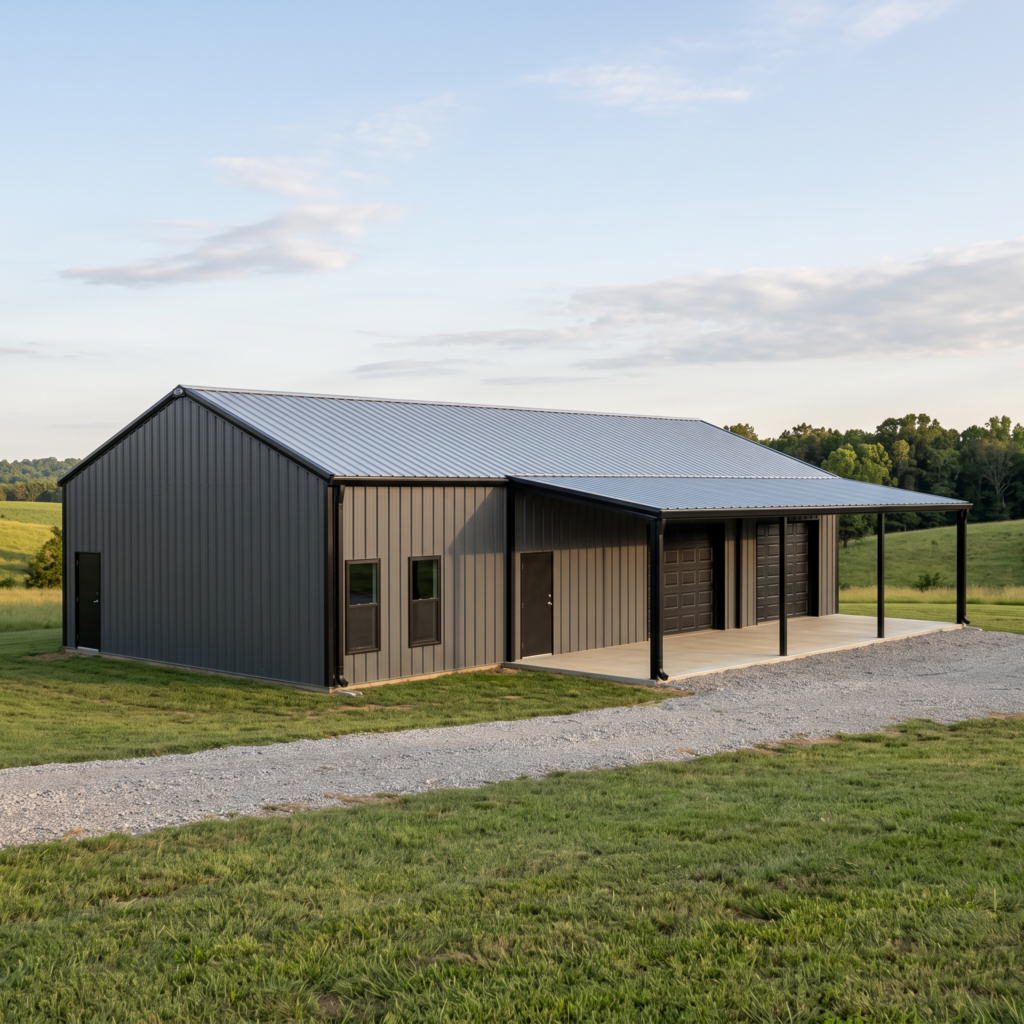 Red Iron
Commercial · Workshop
40′ × 80′ × 14′
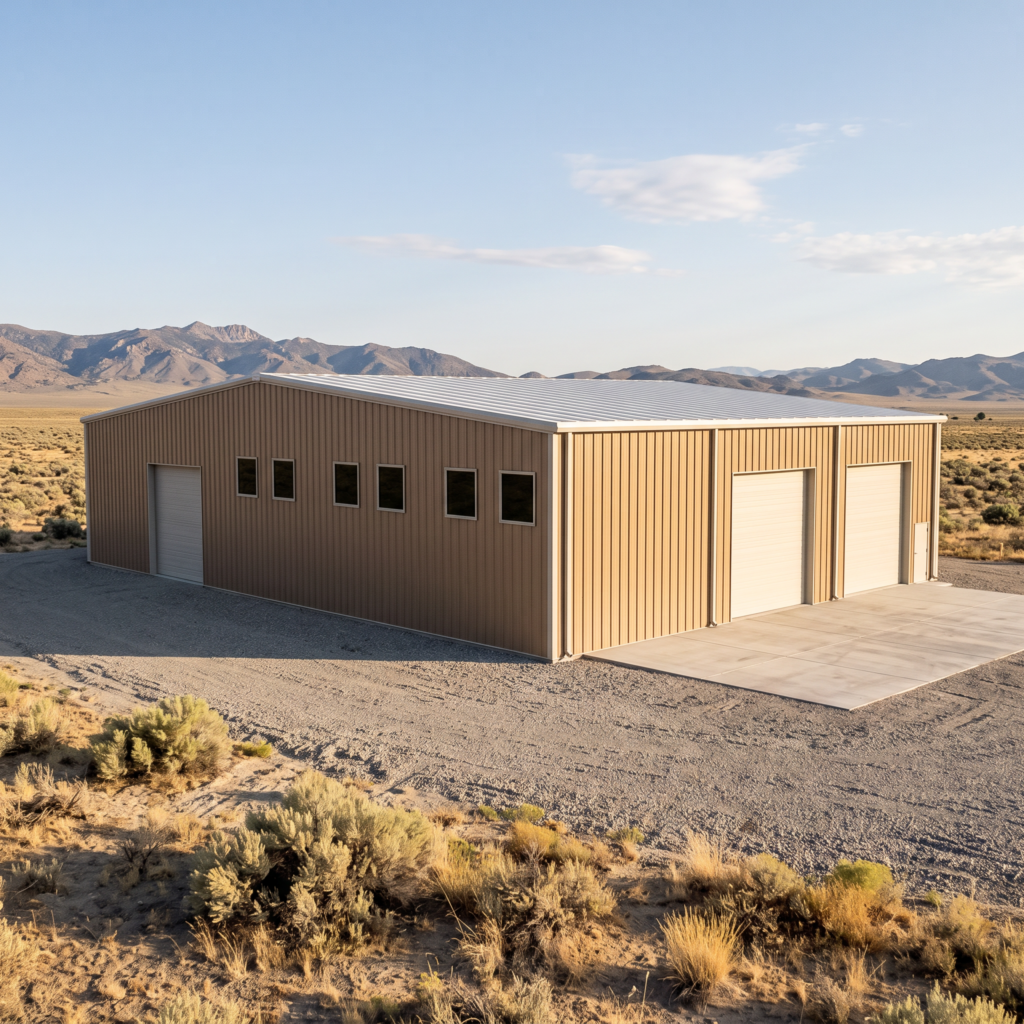
 Cold-Formed
Commercial · Warehouse
70′ × 100′ × 18′
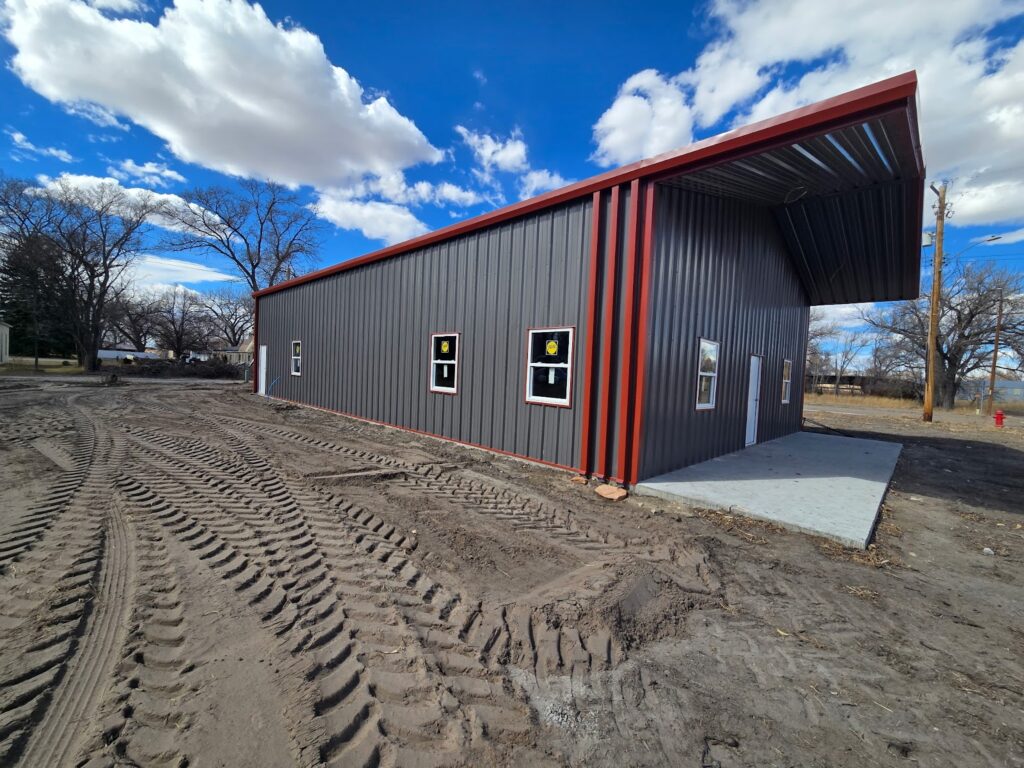
 Red Iron
Commercial · Warehouse
121′-3″ × 75′ × 25′
Tell ROI Metal Buildings what you plan to build, where it will go and which features matter most, and we’ll help you compare products, prices and plans.
or call (865) 316-9009
Leigh F. | Workshop |
Working with Dave & ROI was a great experience for me. Everything was just as Dave described and my involvement was very limited which suited me fine Bldg was delivered promptly & the crew that erected bldg was very professional also . If I were to build again I would definitely contact Dave & ROI
A pre engineered metal building arrives at your worksite with some components already assembled, which typically makes the assembly process faster and more straightforward than it would be for a wood building. While your stylistic preferences and your building’s intended use will help steer your building’s design, you’ll also need to consider related elements, like insulation packages, doors and windows, and local building code requirements, before finalizing your metal building design.
While many metal building suppliers manufacture or source pre engineered steel buildings and metal steel building kits, not all of them offer the same degree of quality or responsiveness. ROI Metal Buildings has already done the hard work and identified more than 15 dependable steel building suppliers from coast to coast, giving you access to an extensive steel building supply network for your prefab metal buildings, and we can help you select one that fits your timeline, project requirements and budget.
Consider building size, clear-span needs, intended use and site-specific design loads when shopping for metal building kits. Red iron framing often suits larger or more demanding structures, while cold-formed framing may work well for smaller projects. The manufacturer's engineering will also help determine which options fit your prefab metal building best.
Many aspects of prefabricated metal buildings are customizable, from their paint and trim colors to their roof styles, doors and windows, and insulation packages, if applicable.
