

 Cold-Formed
Personal · Workshop
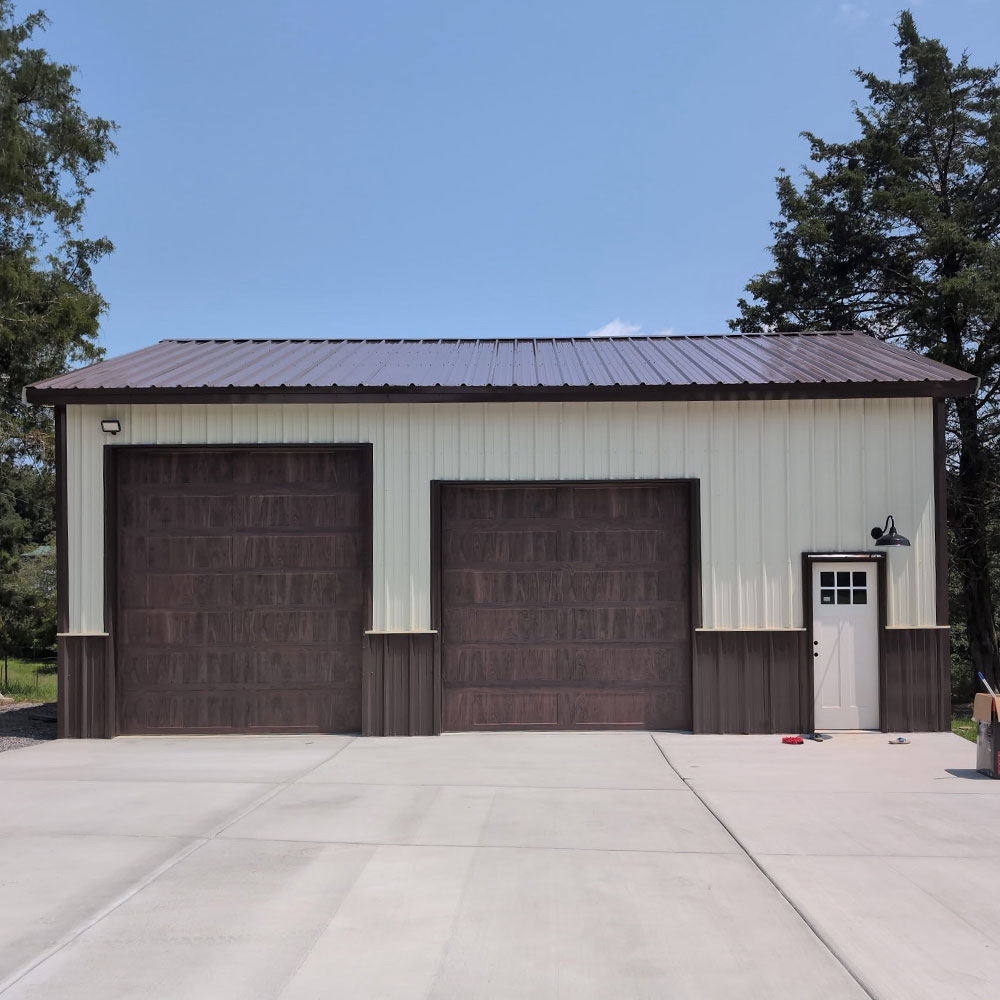
Workshop-30′ x 35′ Charleston, TN
30′ × 35′ × 14′
Charleston, TN Verified ROI Client
Cold-Formed Metal Buildings
Resilient and corrosion-resistant, cold-formed metal buildings are a specific type of prefabricated metal building that relies on cold formed steel, rather than the heavier structural members used in many larger metal buildings. Made through a process that involves bending thin sheets of room-temperature steel into strong shapes without using heat, cold formed metal buildings offer many of the same advantages of more traditional steel structures, but are often lighter, more affordable to ship and easier for smaller construction crews to work with.
For these and other reasons, cold formed steel buildings work well for many types of projects and uses, from small personal metal sheds, shops and garages to storage, agricultural and light commercial metal buildings. ROI Metal Buildings partners with a wide network of manufacturers across the United States and can help guide you through your cold-formed steel building project, giving you a hand finalizing your design, weighing your options and figuring out how to stretch your budget the furthest.
The cold formed metal used in cold-formed steel buildings is relatively thin and starts out as a thin sheet before manufacturers run the sheets through special machines that rely on rollers to shape the steel into specific shapes. The process takes place at room temperature, so it doesn’t involve heating the steel members before bending them into distinct shapes.
The shaped pieces are then cut to the precise specifications needed for your cold formed steel building and delivered to your jobsite, where the erection process typically involves bolting, rather than welding, them together.
The components produced through the cold-rolling process are relatively lightweight compared to other major structural members, but they’re also exceedingly strong, making them an option well worth considering for many types of metal building projects.
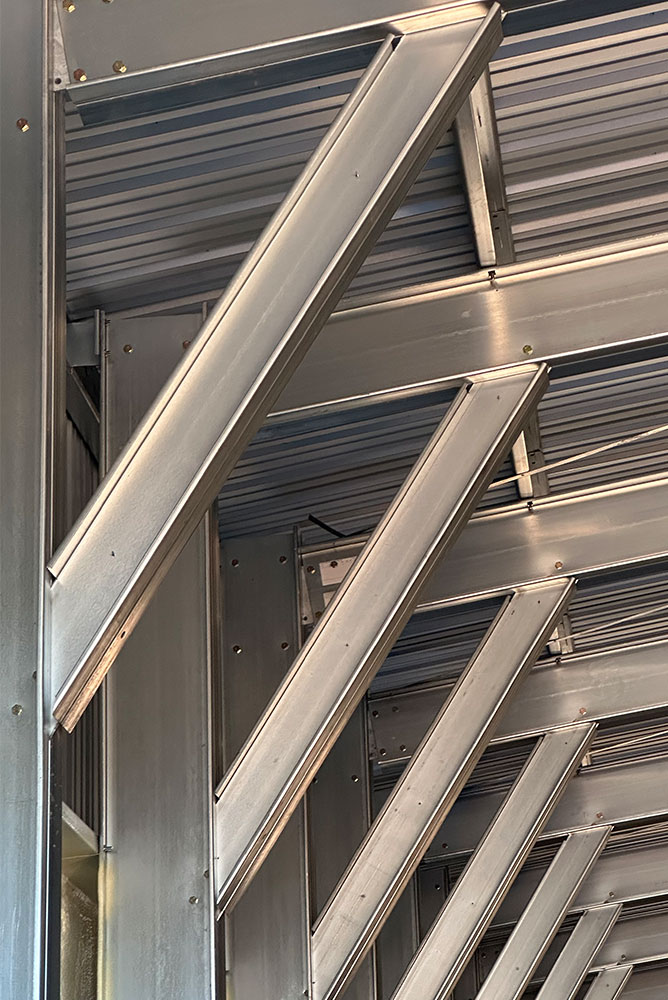
There are many benefits associated with cold formed steel construction, especially for metal buildings that don’t need to support heavy loads or wide clear spans. Some of the benefits of cold formed metal construction include:
Generally lighter and thinner than red-iron steel building systems, cold-formed metal buildings often come with lower material costs than alternatives. Because they are lighter, they tend to also cost less to ship, and the steel components are also easier to lift and manage, so construction crews can often complete the erection process faster than they would that of a heavier steel building system.
Keep in mind, though, that costs vary quite a bit based on factors like building size, project scope and building code requirements. So, while cold formed metal is often more affordable, this is not the case in all situations.
With a cold-formed metal building, bolts and screws typically hold the main structural components together, and the main framing components are made to precise specifications before the cold formed metal building kit ever makes its way to your jobsite. This means erectors don’t usually have to do any welding. The prefabricated nature of the structural components can also speed up the construction process, because they arrive ready for use and don’t require any additional cutting onsite.
Cold formed steel buildings offer many of the same advantages as standard metal buildings, including superior strength in the face of strong winds and hazardous weather. Unlike structures made from wood, cold formed metal buildings don’t warp, crack or rot when exposed to the elements. They also aren’t going to attract termites or similar pests. Steel is also non-combustible, so it isn’t going to fuel a fire the way a wooden building might.
Like most prefab metal buildings, cold formed steel buildings are highly customizable in many aspects. In addition to aesthetic elements like paint color and roof style, you can also modify your building’s roof pitch, ventilation and insulation systems, doors, windows and skylights. Unlike steel buildings of the past, today’s can take on many different aesthetics and architectural styles, giving you the benefits of steel construction without sacrificing beauty and charm.
Many people purchase cold-formed metal buildings for use as the following, among other metal building types.
Many cold-formed steel buildings offer the strength and durability needed to protect cars, trucks and other valuable assets without requiring the heavy steel framing of a red-iron steel building. Common cold-formed garage and carport options include roof-only steel carports, fully enclosed personal or commercial garages or partially enclosed metal automotive buildings.
Cold-formed steel construction is also worth considering for metal workshops or hobby spaces, including woodshops or body shops. You can also customize the space to allow for storage, work areas, ventilation equipment or whatever else your business or hobby requires.
Often used to house household goods, business assets, lawn care equipment, animal feed and more, cold formed steel buildings can also protect just about anything stored inside from the elements, broad temperature swings and other common construction threats.
Cold-formed construction is also worth considering for a wide range of agricultural metal buildings, from small farm storage buildings to structures used to house horses, hay, tack or livestock. They can also include both enclosed and open-air portions, allowing you to tailor your cold-formed metal farm building to meet your specific needs.
While red-iron construction may make more sense for certain large-scale commercial construction projects, cold-formed steel can be an affordable, easy-to-manage option for lighter commercial projects. This is especially true for metal commercial buildings that don’t need to support heavy loads or have especially wide clear spans.
There are several key differences between cold-formed metal buildings and red iron structures, including how the main structural parts are fabricated, how thick and heavy they are and what types of projects they can accommodate.
Red iron buildings use heavier structural components made from hot-rolled steel, whereas cold formed steel buildings rely on lighter components shaped at room temperature. Both metal building types have their place, with cold-formed structures a worthwhile option for lighter metal buildings that don’t need wide clear spans or have to support heavy loads, and red-iron structures a smart choice for more major, heavy-duty metal building projects.
Whether one option is more suitable for your needs depends on your budget, timeline, building width, building height, customizations and project complexity, among other variables.
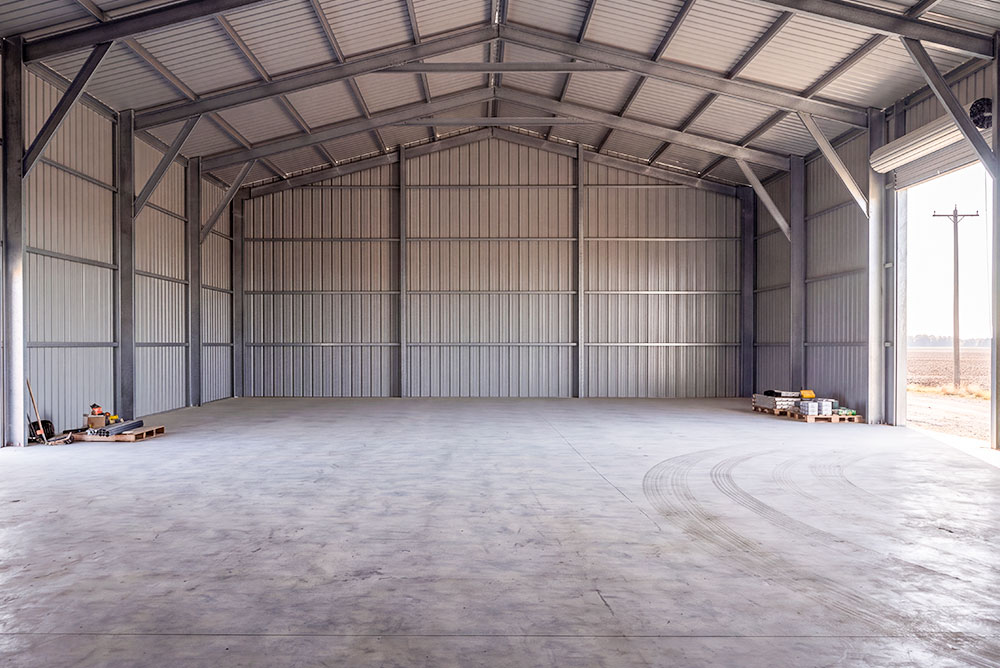
Real projects from verified ROI clients across the country.
Cold-FormedPersonal · Workshop
30′ × 35′ × 14′
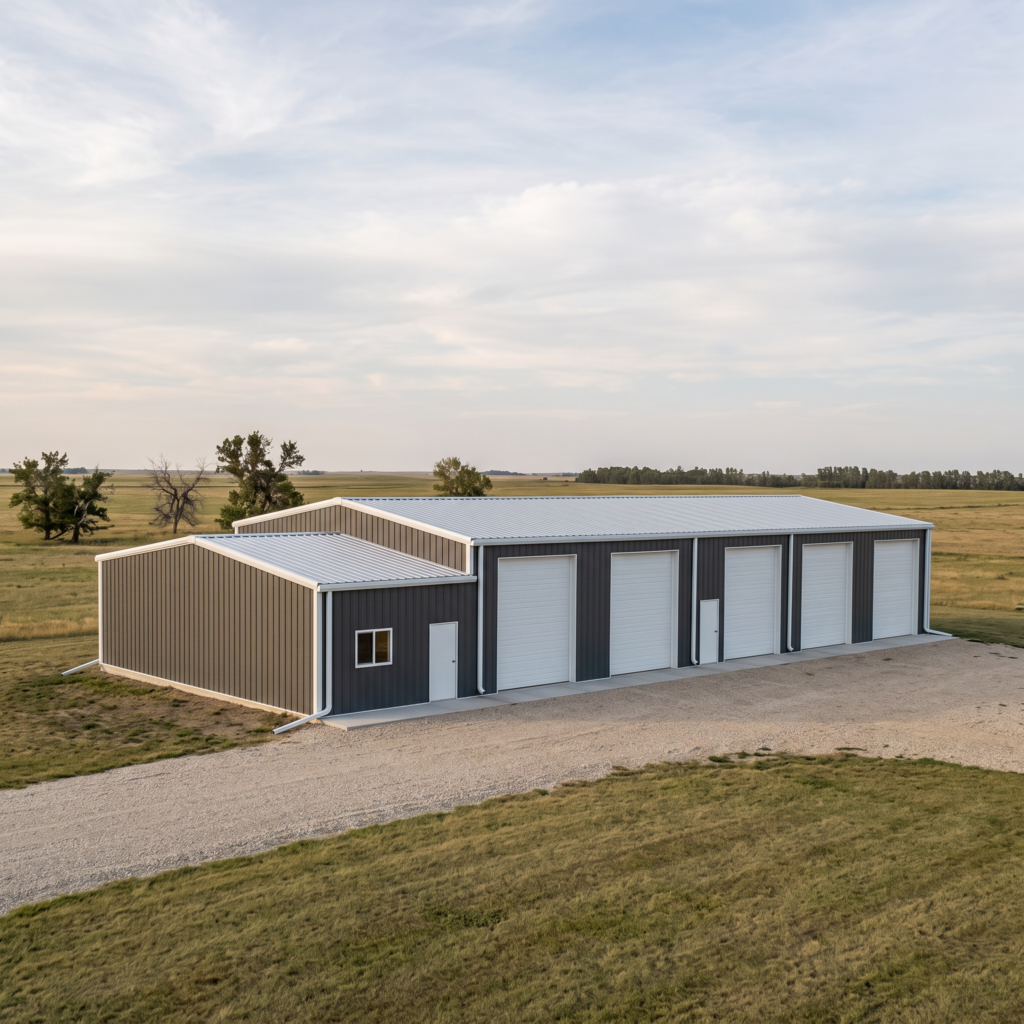
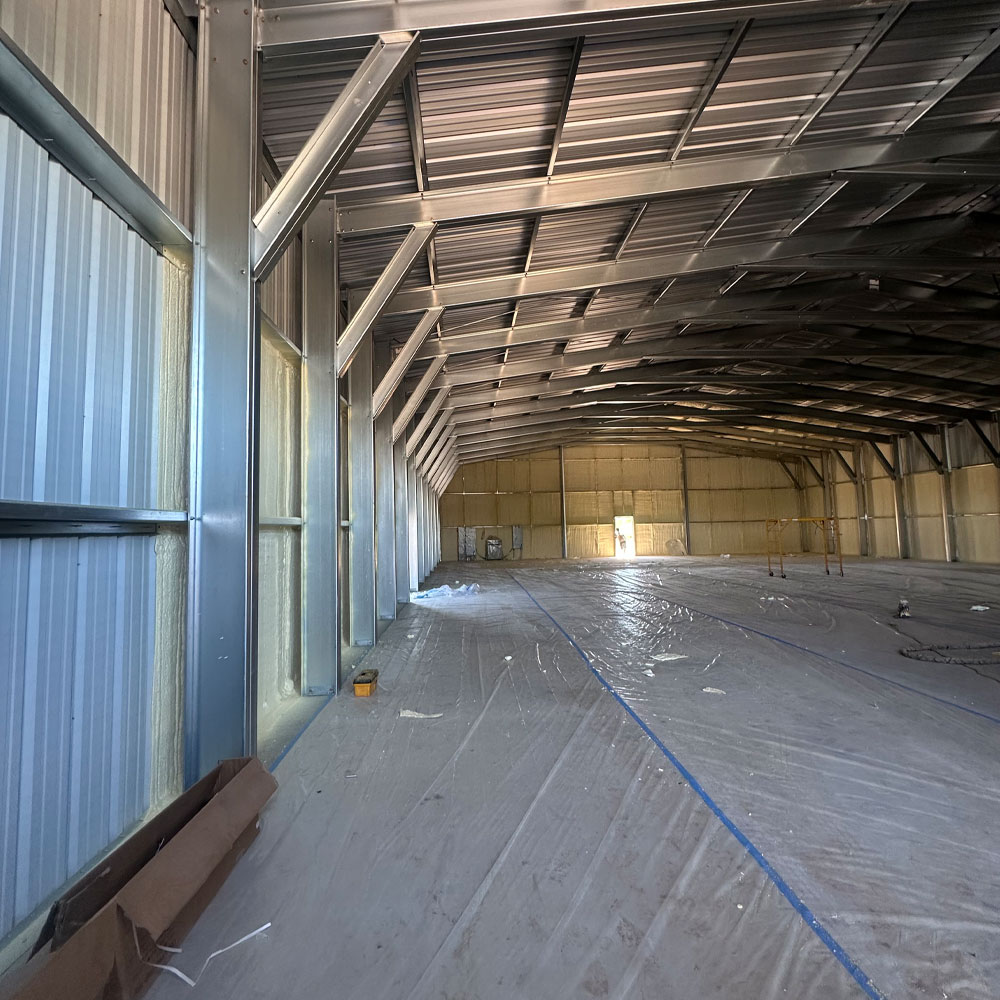 Cold-Formed
Commercial · Warehouse
70′ × 100′ × 18′
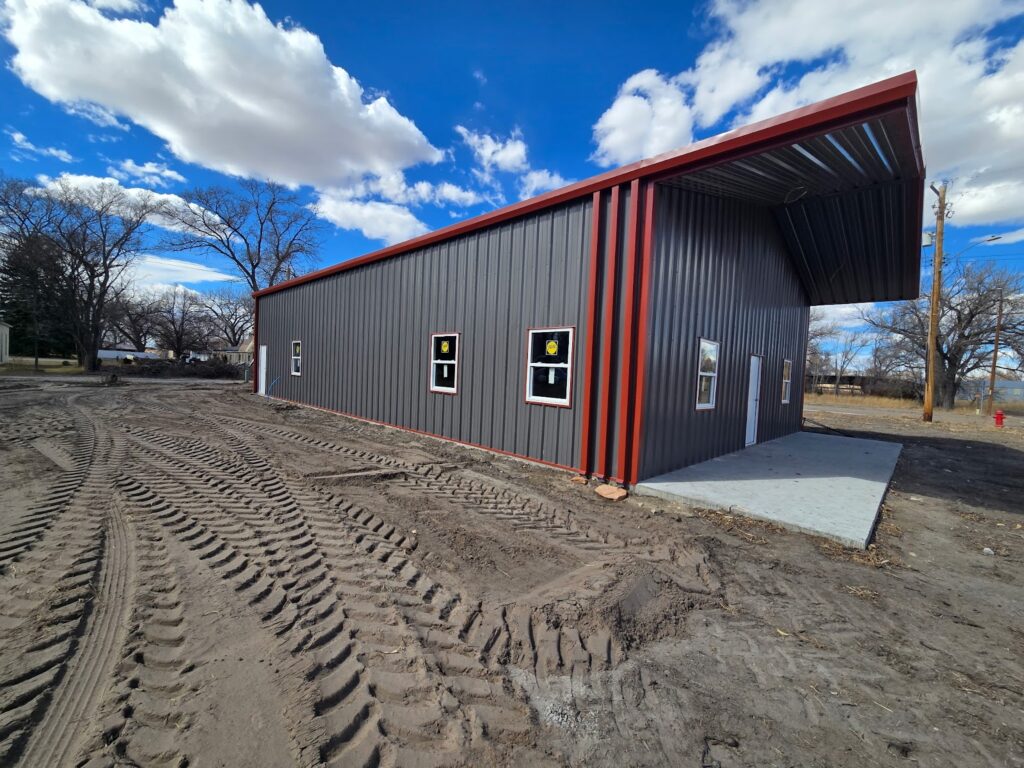
 Red Iron
Commercial · Shop
50′ × 60′ × 16′
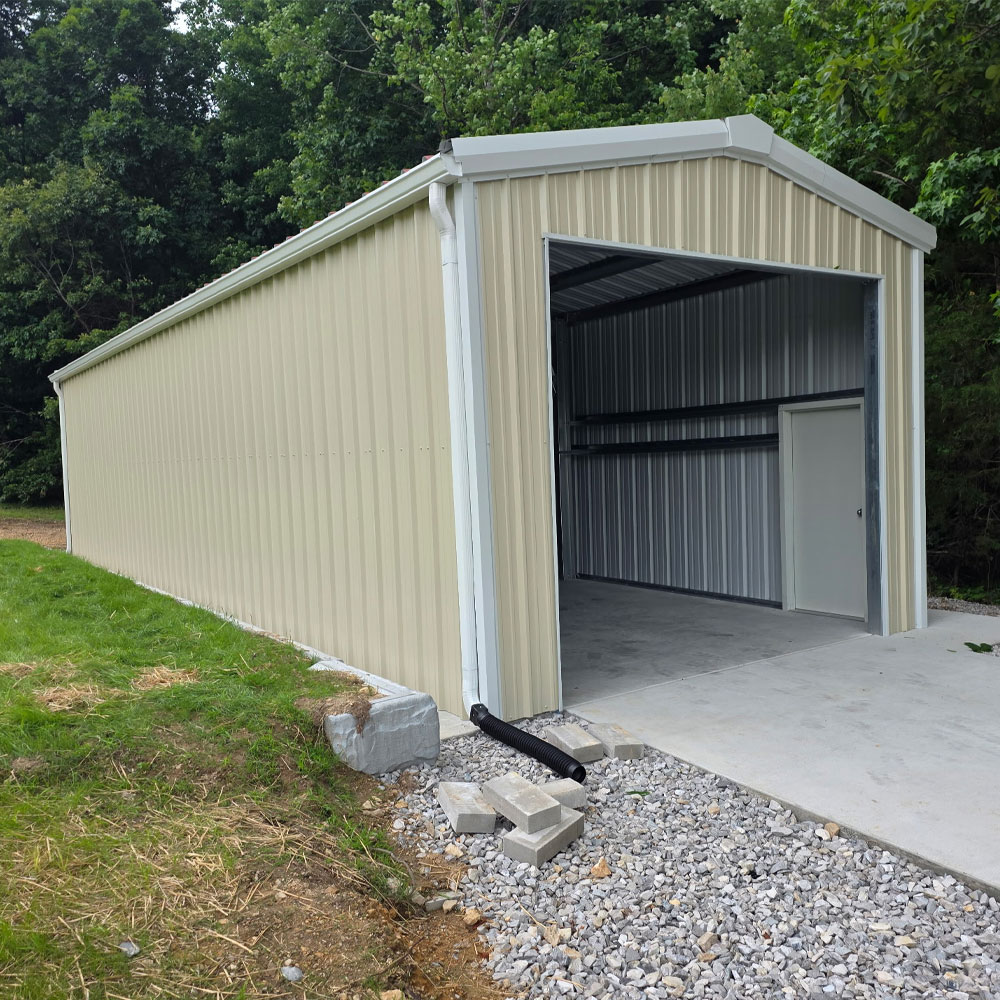 Cold-Formed
Personal · Aircraft Hangar
16′ × 50′ × 12′
Like what you hear and ready to learn more? Contact ROI Metal Buildings to discuss your project, get a price quote and see how our team can simplify and streamline the process of designing and ordering a cold formed steel building.
or call (865) 316-9009
Leigh F. | Workshop |
Working with Dave & ROI was a great experience for me. Everything was just as Dave described and my involvement was very limited which suited me fine Bldg was delivered promptly & the crew that erected bldg was very professional also . If I were to build again I would definitely contact Dave & ROI
“Cold-formed steel” refers to a specific type of component manufactured at room temperature during a process known as cold-rolling. This type of construction offers a high strength-to-weight ratio, meaning the components offer considerable strength despite being lighter and easier to work with and manage than heavier structural components.
Cold-formed steel buildings feature relatively lightweight steel framing, so their building kits tend to be lighter and more affordable to ship than other pre-engineered building kits. Most cold-formed metal buildings are held together using bolts, self-drilling screws and special fasteners.
A cold formed metal building system can be cheaper than a red iron building, but this is not the case in all situations. While cold formed steel construction may make financial sense for a lot of smaller projects, it’s not always the most cost-effective option for larger, more heavy-duty metal buildings.
Additional openings may be possible depending on structural requirements. It’s best to finalize all openings before fabrication to avoid change‑order fees.
Freight varies by distance, load size, and site access. Provide your ZIP code and delivery notes for an accurate estimate.
