While buildings used seasonally or for the storage of items that don’t need to be kept at certain temperatures may not need metal building insulation, many do if you plan to use them year-round or house animals, vehicles and other valuable items inside that may suffer damage in the face of intense heat or cold.
That said, buildings that do require insulation may have very different climate-control needs. For example, a metal shed where you plan to store lawnmowers and similar equipment might need a basic, relatively low R-value insulation system, whereas a steel building used for residential, educational. religious or retail purposes might need a higher-performing insulation system that helps maintain consistent temperatures throughout the year.
Fiberglass Insulation Systems
Fiberglass insulation blankets, which come in a wide range of R-values, are a practical and affordable choice for many prefab metal buildings. You can also combine multiple layers of fiberglass insulation with different R-values to create higher-efficiency systems.
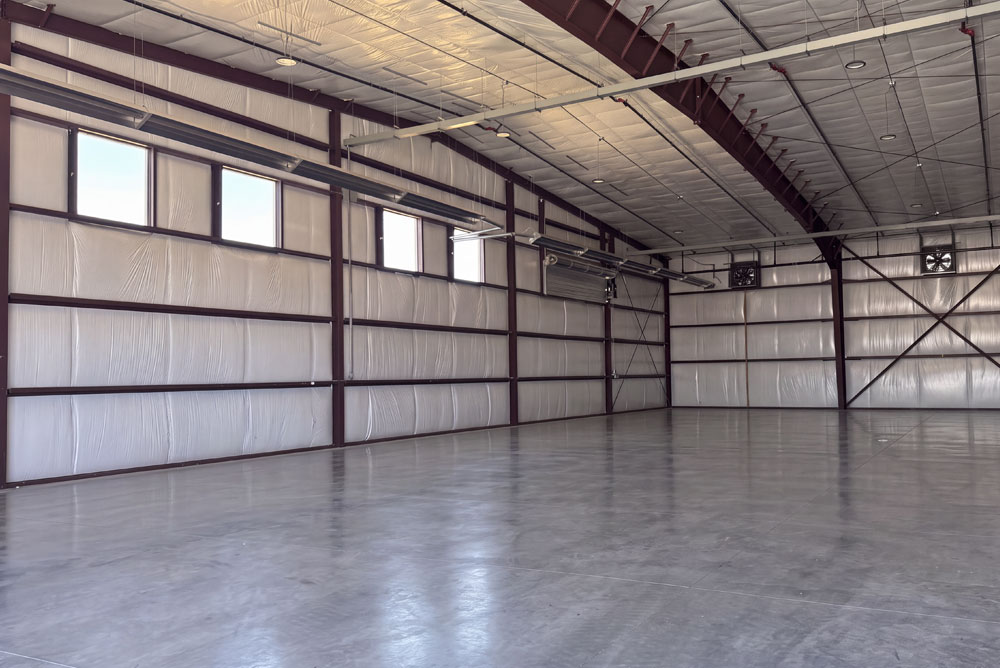
Typically delivered in pre-cut rolls or blankets, fiberglass insulation is also available in a variety of thicknesses, making it easy to meet your own needs as well as any energy code requirements your metal building has to meet. Many metal building insulation systems also include facing material, which lines the side that faces inside the building. Facing helps protect the fiberglass from dirt, dust and wear. Some types of insulation facing are also easier to clean – and more aesthetically appealing – than exposed fiberglass insulation.
Single-Layer Fiberglass Insulation Systems
Effective and relatively simple to install, single-layer fiberglass insulation systems are appropriate for a metal building’s walls, roof or both. Good for metal garages, personal or professional workshops, agricultural buildings and other types of steel buildings that need basic thermal protection, these systems reduce heat loss in the winter and help limit heat gain during the summer while giving you an economical way to improve indoor comfort and energy efficiency.
How thick of a layer you’ll need will depend on several variables, including the climate in your area and how you plan to use the structure.
Double-Layer Fiberglass Insulation Systems
Buildings that need even more thermal protection may benefit from double-layer fiberglass insulation systems, which combine two layers of fiberglass insulation to achieve an even higher R-value. This type of metal building insulation may work well in large warehouses, climate-controlled commercial metal buildings and similar applications where maintaining consistent temperatures is particularly important.
Understanding the Benefits of Metal Building Insulation
Metal building insulation creates more comfortable environments for working, living or storing items, among other uses, but the benefits don’t end there. Insulating a prefab steel building also leads to other advantages, such as:
Better Sound Control
Fiberglass insulation blankets help absorb noise, limiting how much of it makes its way out and potentially impacts your neighbors. It can also reduce noise inside by reducing sounds from rain, hail and activities taking place outside.
Better Condensation Control
A properly installed metal building insulation system can also reduce condensation that could otherwise compromise the structural integrity of a steel building system. Some types of insulation facing also act as vapor retarders, which helps limit moisture and reduce condensation.
Better Interior Aesthetics
Fiberglass insulation with facing can give a metal building’s interior a cleaner, more finished appearance.
Other insulation benefits include lower heating and cooling costs and better light reflection, the latter of which helps create a brighter, more welcoming interior.



 Red Iron