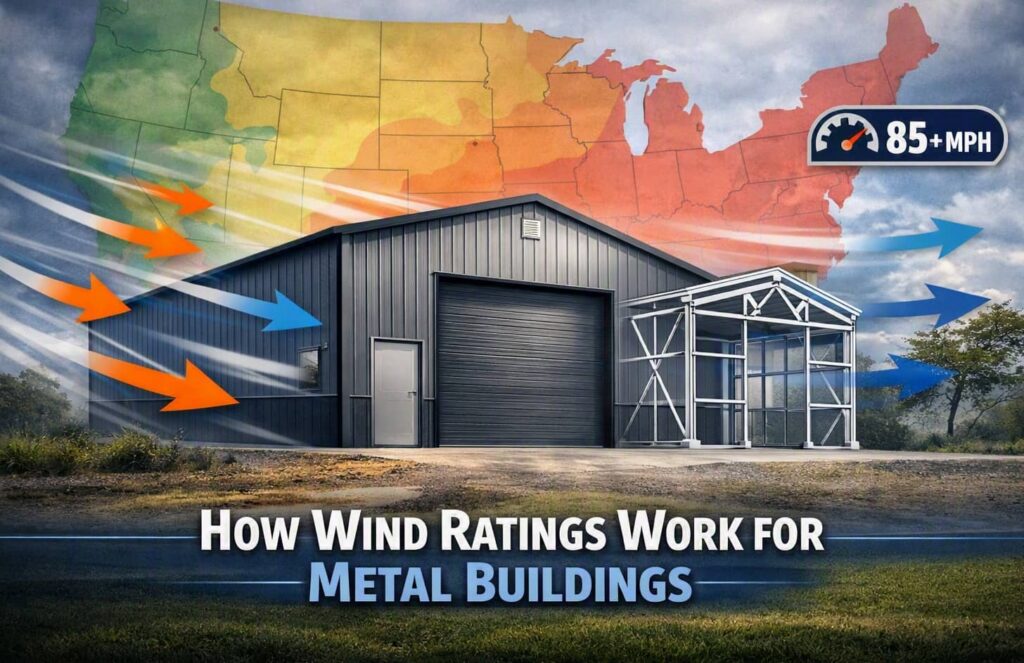
7 Energy-Saving Tips for Steel Garages: Cut Costs & Boost Efficiency in 2026

Energy-Saving Tips for Steel Garages
You open the mailbox, pull out the electric bill, and feel that familiar sting. Whether it is the dead of winter or the peak of summer, keeping a steel garage comfortable can quietly drain your budget month after month. Steel garages are durable, low-maintenance, and built to last, but without the right upgrades they also conduct heat and cold with surprising speed. The good news is that a handful of practical energy saving tips for steel garages can turn that temperature-swinging metal shell into a stable, efficient space. This guide covers seven targeted solutions that lower utility bills, improve comfort, and reduce your environmental footprint, whether your garage is attached to your home or standing on its own.
Table of Contents
    Add a header to begin generating the table of contents

    Why Energy Efficiency Matters for Steel GaragesAdd Your Heading Text Here

    Steel conducts heat and cold far more rapidly than wood, which means an uninsulated metal garage can feel like an oven in July and a freezer in January. If your garage is climate-controlled or connected to your home, those temperature swings force your HVAC system to work harder than it should. That extra strain shows up directly on your energy bill. Reducing that waste lowers carbon emissions and shrinks your household’s environmental footprint, a priority more homeowners are taking seriously in 2026. Metal buildings now account for 65% of all commercial construction in the United States, yet residential steel garages often lag behind in insulation standards. One statistic worth remembering: approximately 25% of heat loss occurs through the roof, which makes ceiling and roof treatments the highest-priority upgrades on this list.

    Energy-Saving Tips for Steel Garages

    1. Upgrade Your Insulation

    Insulation is the foundation of any energy efficiency plan for a steel garage. Spray foam insulation expands to create a powerful airtight seal that stops air leaks and prevents heat transfer, making it ideal for irregular spaces and hard-to-reach gaps in metal framing. Radiant barriers reflect solar heat away from the roof deck when placed directly under the ceiling, an especially effective strategy in hot climates. Fiberglass batts and rigid foam boards provide cost-effective alternatives for framed walls and cavity spaces, with rigid boards offering high R-values in thin profiles. Batt insulation remains a budget-friendly DIY option for garage doors and wall cavities, though it does less to stop air movement than spray foam. Focus on the ceiling first. Since roughly a quarter of heat loss escapes through the roof, that is where your insulation dollars deliver the fastest return.

    2. Seal Air Leaks Around Doors and Openings

    Even the best insulation underperforms when air leaks through gaps around doors, windows, and floor joints. Threshold and bottom seals are the first line of defense. Replace worn-out rubber or vinyl weather stripping on overhead doors to stop draft infiltration at the floor line, the most common leak point in any garage. Double-pane windows with low-E glass block heat exchange while still letting in natural light, a worthwhile upgrade over single-pane glass. For walk-in doors, thermal breaks in the form of insulated frames reduce direct conductive losses through metal-to-metal contact. Caulking gaps between wall panels, floor joints, and window frames with silicone or latex caulk closes the smaller openings that add up over time. A quick test: on a sunny day, close all doors and windows, then look for visible light gaps. Any light passing through is an air leak that needs sealing.

    3. Install Reflective Roofing and Surfaces

    Your roof takes the brunt of solar heat, so treating it as a reflective surface can dramatically reduce cooling costs. Light-colored roofing reflects direct sunlight and keeps metal roof surfaces noticeably cooler in hot weather. Research shows that light-colored, reflective roofs can save up to 40% in cooling energy. If replacing the roof is not in the budget, cool roof coatings offer a practical alternative. Applying reflective elastomeric or acrylic coatings to an existing metal roof improves its Solar Reflectance Index without a full replacement, and the coating can extend the life of the metal beneath it. Radiant barrier underlayment installed directly beneath the roof deck blocks radiant heat transfer into the garage interior. In colder climates, balance reflectivity with the need for passive solar gain in winter, since a highly reflective roof can work against you when you want the sun’s warmth.

    4. Improve Ventilation and Airflow

    Trapped hot air turns a steel garage into an oven, even with insulation in place. Cross-ventilation solves the problem by installing functional louvers, ridge vents, or opposing doors that naturally exhaust hot air during summer months. Passive ridge vents work well in most climates and require no electricity. Active exhaust fans with thermostatic controls are the better choice for garages used as workshops or gyms, where heat and humidity build up faster. For garages with finished ceilings, gable or soffit vents allow hot air to escape from the upper portion of the structure. A seasonal strategy helps here: in winter, seal or cover vents to retain heat, and in summer, open them fully to maximize airflow. Improved ventilation also reduces moisture buildup, which prevents condensation, rust, and mold growth on metal surfaces. For a deeper look at managing moisture, the guide on condensation in metal buildings covers the mechanics and solutions.

    5. Switch to LED Lighting

    Lighting might seem like a minor factor, but the savings add up quickly in a garage that sees regular use. Energy Star-rated LEDs use at least 75% less energy and last 25 times longer than conventional incandescent bulbs. They also produce virtually zero extra heat, which reduces the cooling load on your garage in summer months. Motion sensors or timers ensure lights are only on when the space is occupied, eliminating wasted energy from forgotten lights. When planning your layout, choose LED fixtures with appropriate lumens for task areas like workbenches and parking zones rather than over-lighting the entire space. A typical garage LED retrofit pays for itself in energy savings within 6 to 12 months, depending on how often the lights are used.

    6. Maintain Weatherstripping and Seals

    Weatherstripping is not a set-it-and-forget-it upgrade. Seasonal temperature changes cause materials to expand, contract, and crack, so inspect garage door weatherstripping and interior door seals at least twice per year. Replace worn rubber, vinyl, or foam seals promptly, since even small gaps can compromise the efficiency of your insulation. The bottom edge of overhead garage doors deserves special attention, as it is the most common leak point. If the bottom weather seal shows signs of cracking or flattening, replace it. Also check that garage doors close flush against the frame, because misaligned tracks can create gaps that defeat even the best weatherstripping. Most replacements require only basic tools and under an hour of work, making this one of the most accessible DIY upgrades available.

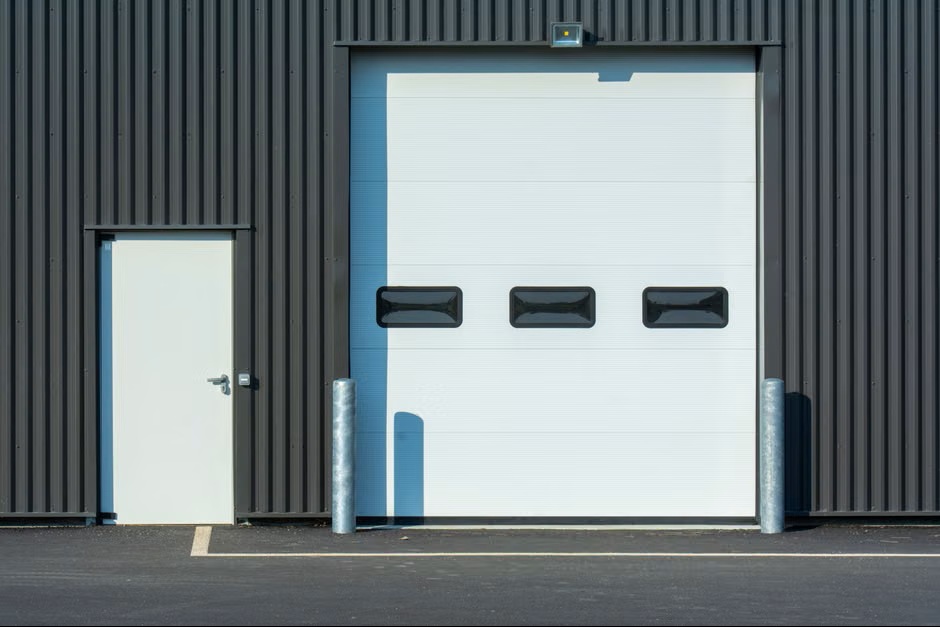
    7. Insulate Your Garage Door

    The garage door itself is often the largest uninsulated surface in the entire structure. If you are replacing the door, choose a model with factory-installed insulation, typically a polyurethane or polystyrene core. For existing doors, DIY insulation kits let you retrofit foam board panels cut to fit each door section, a weekend project with significant payoff. Reflective foam boards with foil facing combine insulation value with radiant heat reflection in a single product. One practical note: adding insulation increases door weight, so verify that your opener and springs can handle the additional load. Insulating an uninsulated garage door can reduce temperature transfer noticeably, making the garage more comfortable in both summer and winter. If you are weighing broader maintenance priorities, the article on tips to maintain a metal building offers a useful framework for annual upkeep.

    Bonus Tips for Maximum Efficiency

    A few smaller habits can amplify the impact of the seven core upgrades. Decluttering and organizing your garage reduces pest habitats, and rodents or insects can damage insulation and wiring over time, quietly undoing your efficiency gains. Sealing concrete floors with caulk prevents air and moisture infiltration through cracks, while floor mats add extra protection in high-traffic areas. If your garage is climate-controlled, connect it to a smart thermostat with scheduling so you are not heating or cooling an empty space. A professional home energy audit can identify hidden leaks and inefficiencies specific to your garage’s construction and climate zone. In hot climates, prioritize reflective roofing and ventilation. In cold climates, focus on insulation thickness and air sealing. For a broader comparison of how metal structures perform against traditional options, the piece on metal buildings vs wood buildings breaks down the tradeoffs.

    Frequently Asked Questions

    What is the best insulation for a steel garage?
    Spray foam offers the best combination of insulation and air sealing, but rigid foam boards are a cost-effective alternative for framed walls.
    Savings vary by climate and usage, but homeowners typically see 15 to 30 percent reductions in garage-related energy costs after comprehensive upgrades.
    Yes. Steel conducts heat more readily than wood, making insulation and air sealing even more critical for metal structures.
    Many upgrades, including weatherstripping, LED lighting, caulking, and DIY door insulation, are DIY-friendly. Spray foam and cool roof coatings may require professional installation.

    Conclusion

    The seven solutions covered here, insulation, air sealing, reflective roofing, ventilation, LED lighting, weatherstripping maintenance, and garage door insulation, work together to deliver year-round comfort, lower utility bills, and a reduced environmental footprint. Start with the highest-impact, lowest-cost fixes like weatherstripping, LED bulbs, and caulking, then work toward larger investments such as spray foam or door replacement. Each upgrade builds on the last, and the savings compound over time. If you have tried any of these energy saving tips for steel garages, share your results or ask questions in the comments. For a personalized plan, a professional energy audit is the fastest way to pinpoint where your garage is losing energy and what to tackle first.
    FREE Estimates

    This field is for validation purposes and should be left unchanged.
    Name(Required)
    Email(Required)
    Address(Required)
    What type of building are you looking for?(Required)
    More posts

    Stay on the forefront of industry trends by checking out our latest content