Codes & Permits
How Do Wind Ratings Work for Metal Buildings?
A wind rating is the maximum sustained wind speed a metal building is engineered to withstand without structural failure. Building codes set this rating using a 3-second gust…

Codes & Permits
A wind rating is the maximum sustained wind speed a metal building is engineered to withstand without structural failure. Building codes set this rating using a 3-second gust…

Building Resources
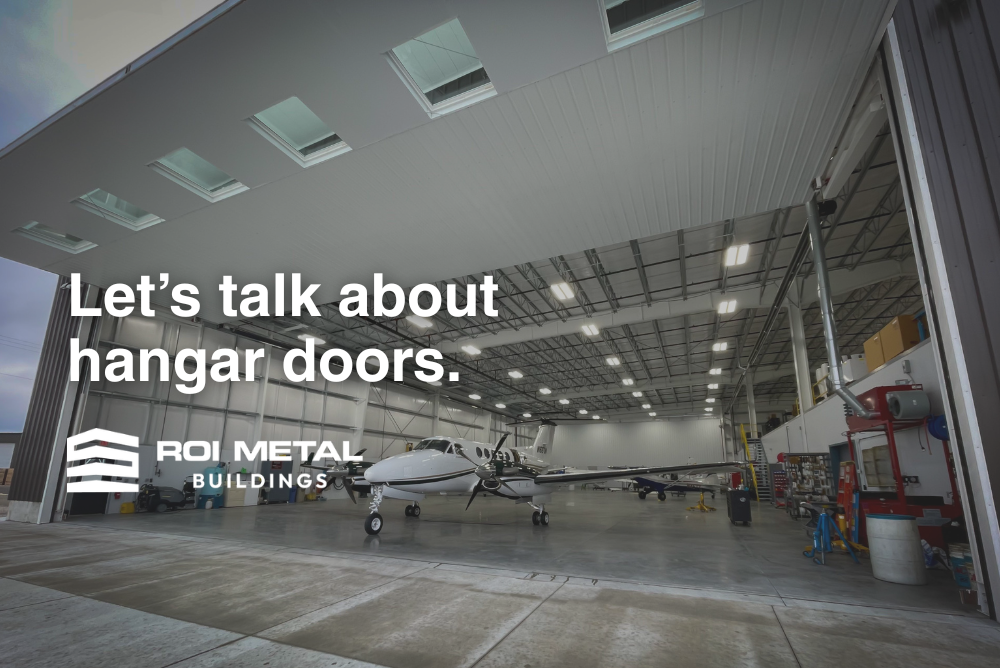
The four main types of hangar doors are sliding, bi-fold, hydraulic, and vertical lift. Each type differs in upfront cost, sealing performance, space requirements, and automation compatibility. The…

Building Design
You open the mailbox, pull out the electric bill, and feel that familiar sting. Whether it is the dead of winter or the peak of summer, keeping a…

Building Design
If you’re asking, “Can you put siding over a metal building?” the short answer is yes, provided you use the right installation methods. You do not need to…

Buying Guide
If you are evaluating metal building options in 2026, the debate between cold formed steel vs red iron has likely surfaced early in your research. Both materials have…

Building Design
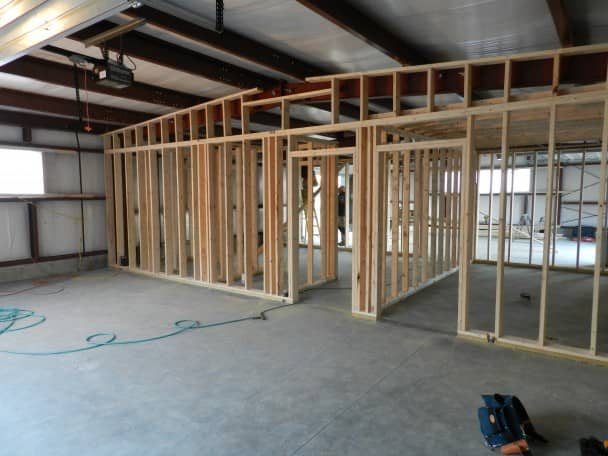
When you buy a metal building, you gain a shell engineered for decades of durability against wind, snow, and seismic forces. What you do not get is a…

Building Design
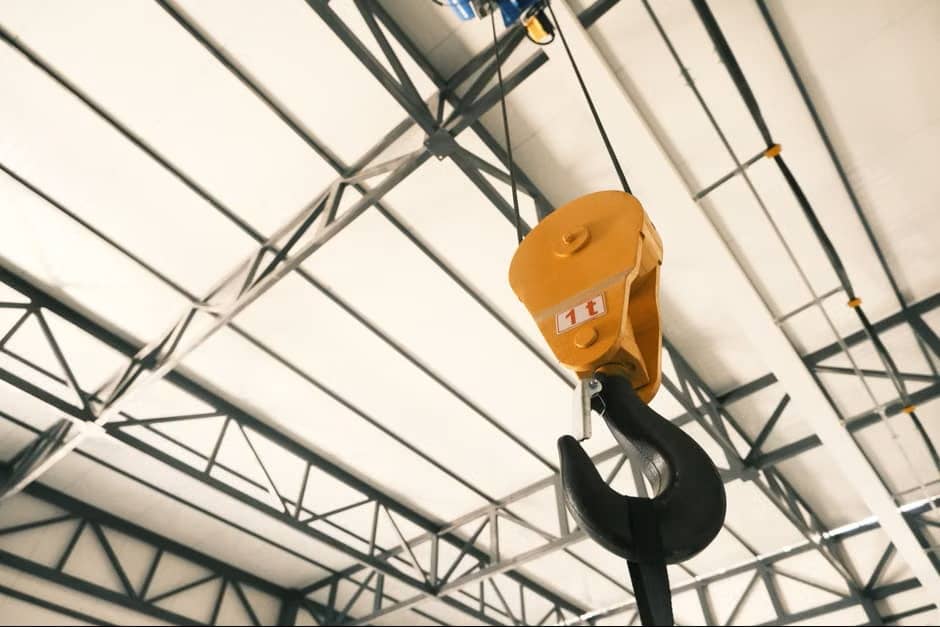
Steel crane buildings represent a specialized category of industrial construction where the structure itself is engineered from the ground up to support integrated overhead lifting systems. Unlike standard…

Buying Guide
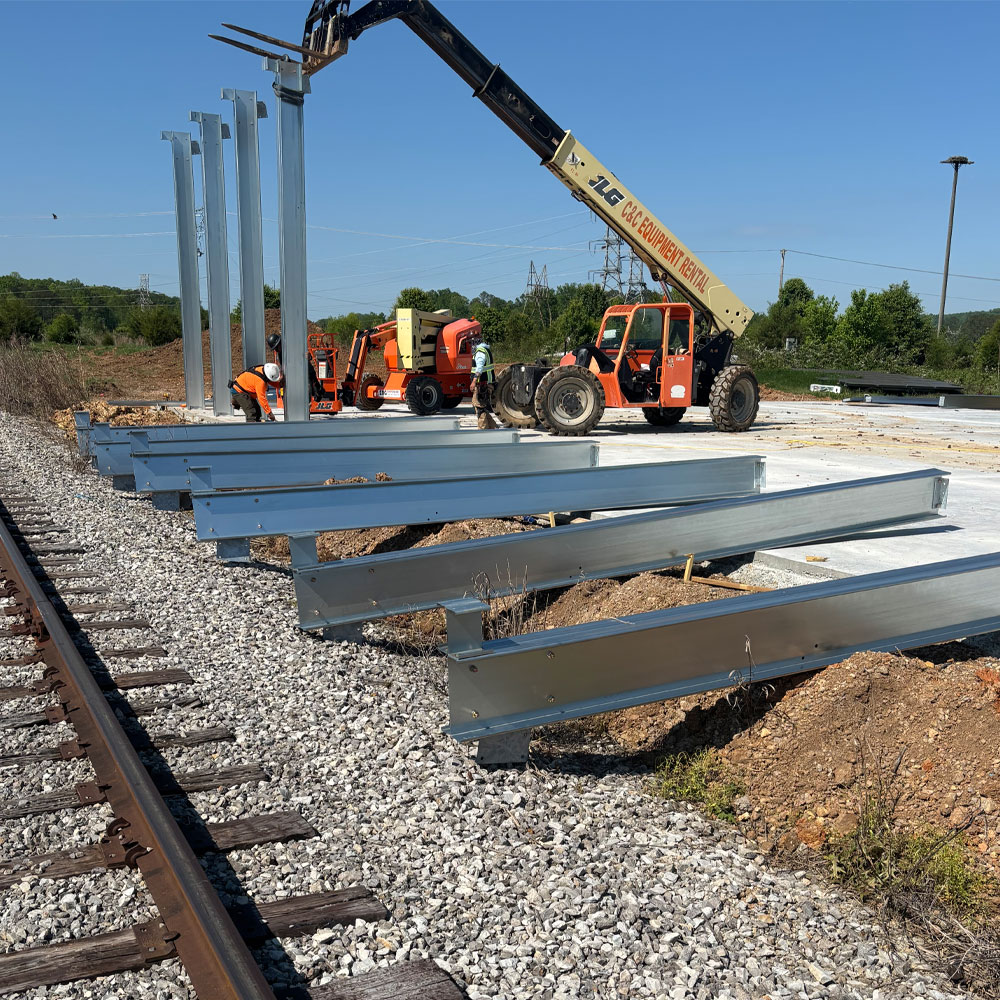
If you are researching c-channel vs ibeam for your next building project, understanding how each framing system performs under load is critical. This is not a comparison of…

Building Design
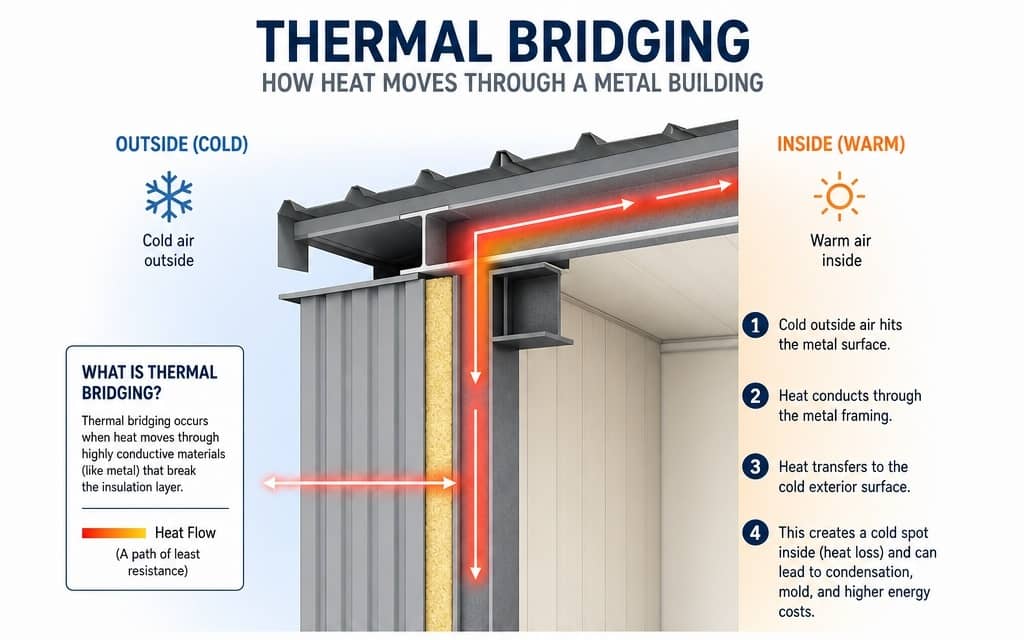
What Is Thermal Bridging in Metal Buildings? Thermal bridging in metal buildings occurs when highly conductive materials create pathways for heat to bypass the insulation. It most often…