If you’re asking, “Can you put siding over a metal building?” the short answer is yes, provided you use the right installation methods. You do not need to tear down your existing metal building to give it a fresh look. Metal buildings offer unmatched structural strength, but their exteriors sometimes need an upgrade to match a neighborhood aesthetic, comply with HOA rules, or simply reflect a new vision. This article covers the best siding materials for steel structures, the step-by-step process for a direct overlay installation, and the critical factors that determine whether the project succeeds for the long haul.
Why to Put Siding Over a Metal Building? (Beyond Aesthetics)
Siding Options for Your Steel Building
Corrugated Steel Siding
Corrugated steel remains the go-to for owners who want maximum durability with minimal upkeep. Often manufactured in 26-gauge thickness, it ranks among the strongest siding options available and has proven itself in hurricane zones repeatedly. The panels come in a wide array of colors, so matching existing structures or incorporating company branding is straightforward. This option makes the most sense for industrial settings, workshops, and agricultural buildings where a clean, utilitarian look fits the purpose.
Vinyl Siding (The Direct-Over Option)
Brick and Stone Veneers
Wood and Insulated Foam Panels
How to Install Siding Over Existing Metal (Step-by-Step)
Preparation determines whether a siding overlay lasts a decade or fails in two years. The following steps apply whether you are a DIYer tackling the project yourself or a property owner verifying a contractor’s approach.
- Step one: surface preparation. Clean the existing metal panels thoroughly to remove dirt, loose debris, and any rust spots. Use a wire brush or grinder on corroded areas, and make sure the surface is completely dry before moving forward. Trapped moisture is the enemy of any overlay project.
- Step two: install furring strips. Attach vertical or horizontal wood or metal furring strips directly to the metal ribs using self-tapping screws and construction adhesive. These strips create a critical drainage plane behind the new siding and provide a solid nailing surface that the original metal panels cannot offer on their own.
- Step three: add a moisture barrier. Install a house wrap or energy brake over the furring strips before any siding goes up. This layer prevents condensation from building up between the old metal and the new siding, a scenario that leads to hidden rust and eventual structural problems. Managing condensation in metal buildings is a well-documented challenge, and skipping the barrier invites trouble.
- Step four: mount the siding. Fasten your chosen material, whether vinyl, wood composite, or lightweight stone veneer, to the furring strips following the manufacturer’s spacing and expansion rules exactly. Do not over-tighten fasteners. The siding needs room to move as temperatures fluctuate, and rigid fastening causes buckling that is expensive to fix.
The "Overlay" vs. "Tear-Off" Debate (Cost and Structure)
Cost is often the deciding factor between overlaying new siding and tearing off the old metal first. Overlaying is significantly cheaper. Tear-off projects require labor to remove and dispose of the existing steel panels, then install OSB sheathing over the frame before the new siding can even begin, a process that adds days of work and substantial material expense.
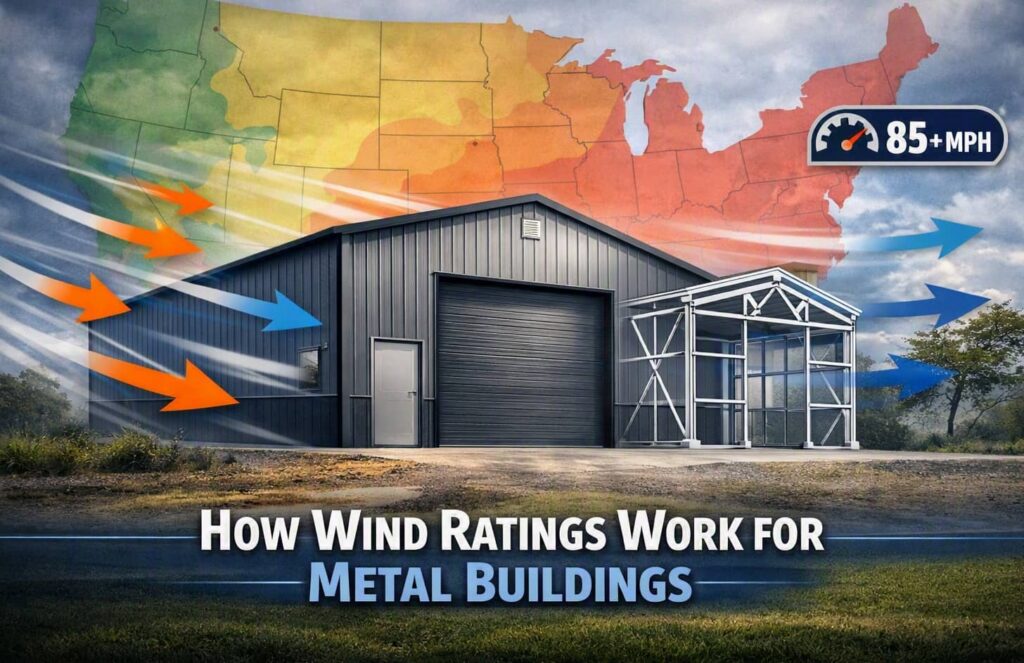
Before committing to either approach, check with your local building department about wind load ratings and permit requirements. Also verify that overlaying does not void the structural warranty on your metal building frame. When the existing metal is in good condition, free of severe rust or structural damage, a direct overlay using properly installed furring strips is a structurally sound choice that saves thousands of dollars.
Final Thoughts: Maximizing Your Building’s Potential
Metal buildings last decades with minimal upkeep, and adding siding is one of the most cost-effective ways to ensure they look as great as they function for that entire lifespan. Whether you choose corrugated steel for toughness, vinyl for a residential feel, or stone veneers for timeless curb appeal, the key is proper installation with attention to moisture control and thermal movement. If you are planning a new build, specifying your siding choice upfront with the manufacturer ensures accurate pricing and seamless integration. For existing structures, a well-executed overlay transforms the building without the expense of starting over.