Codes & Permits
How Do Wind Ratings Work for Metal Buildings?
A wind rating is the maximum sustained wind speed a metal building is engineered to withstand without structural failure. Building codes set this rating using a 3-second gust…
Buying guides, project stories, and straight answers about metal building design, pricing, and codes from the ROI team.

Codes & Permits
A wind rating is the maximum sustained wind speed a metal building is engineered to withstand without structural failure. Building codes set this rating using a 3-second gust…

Building Resources
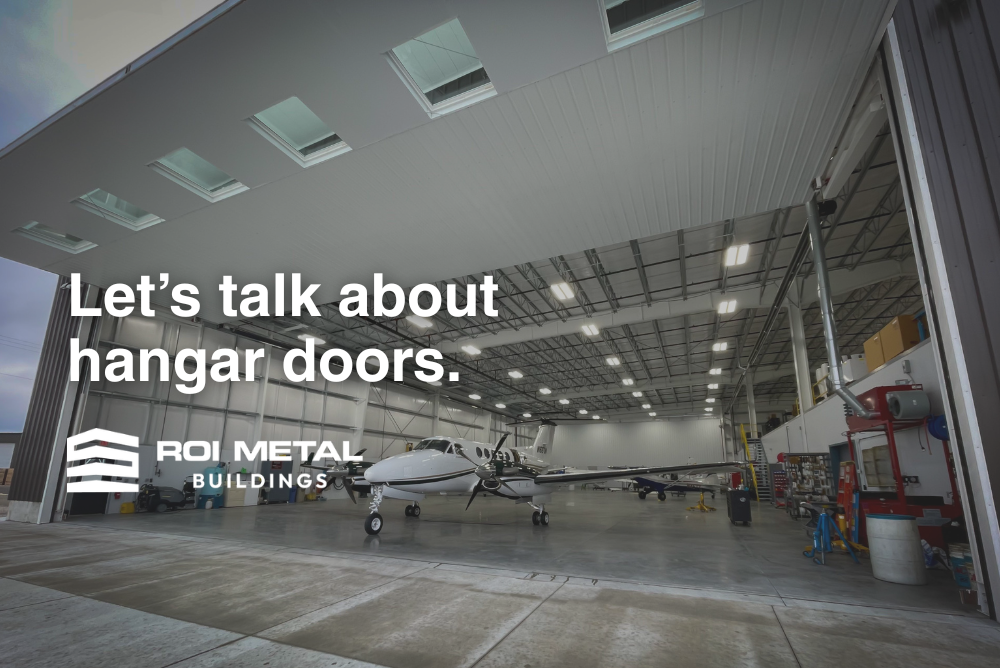
The four main types of hangar doors are sliding, bi-fold, hydraulic, and vertical lift. Each type differs in upfront cost, sealing performance, space requirements, and automation compatibility. The…

Building Design
If you’re asking, “Can you put siding over a metal building?” the short answer is yes, provided you use the right installation methods. You do not need to…

Building Resources
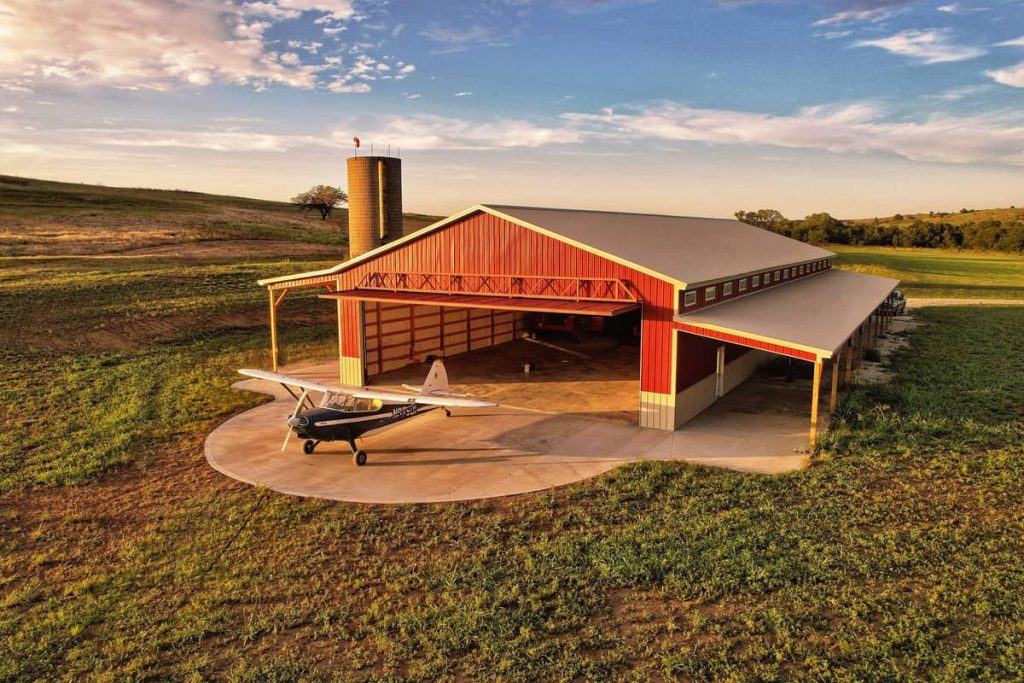
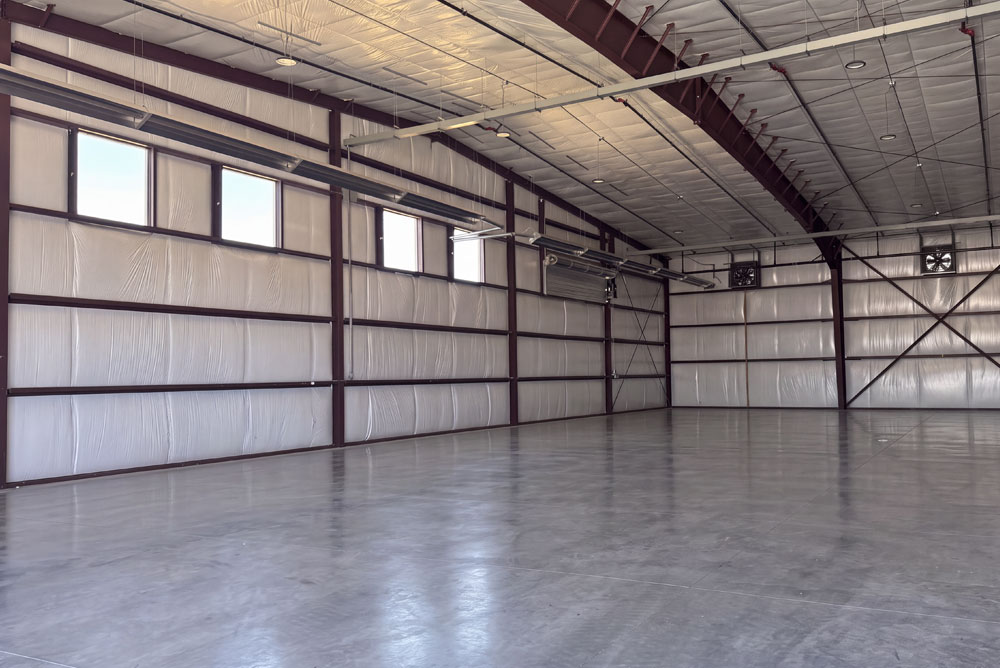
If you are researching how much it costs to build an aircraft hangar, you have probably already discovered that the numbers are all over the map. Some sources…

Building Design
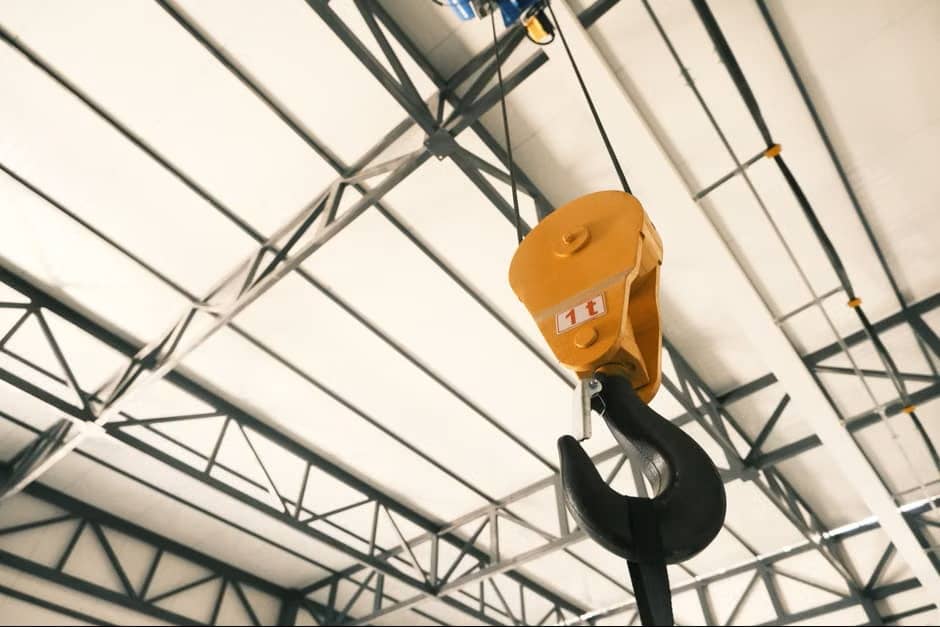
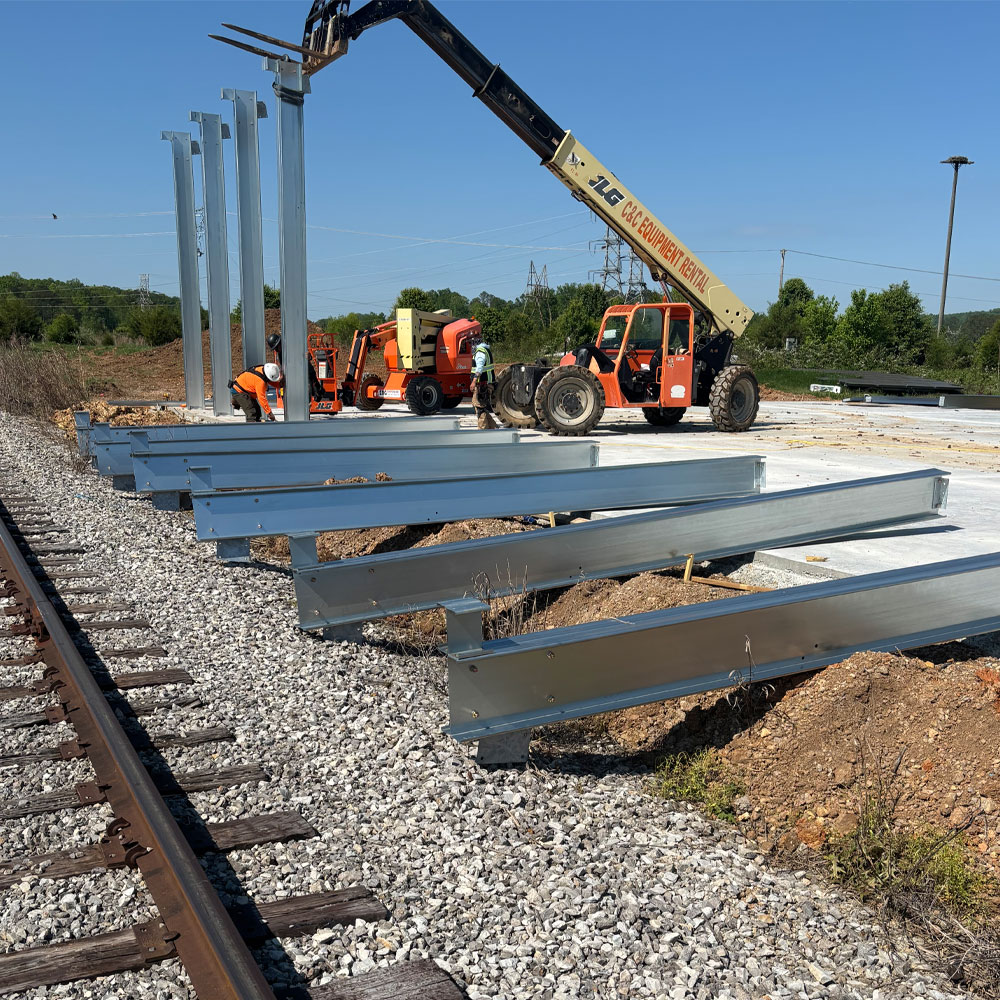
Steel crane buildings represent a specialized category of industrial construction where the structure itself is engineered from the ground up to support integrated overhead lifting systems. Unlike standard…

Buying Guide
If you are researching c-channel vs ibeam for your next building project, understanding how each framing system performs under load is critical. This is not a comparison of…

Building Design
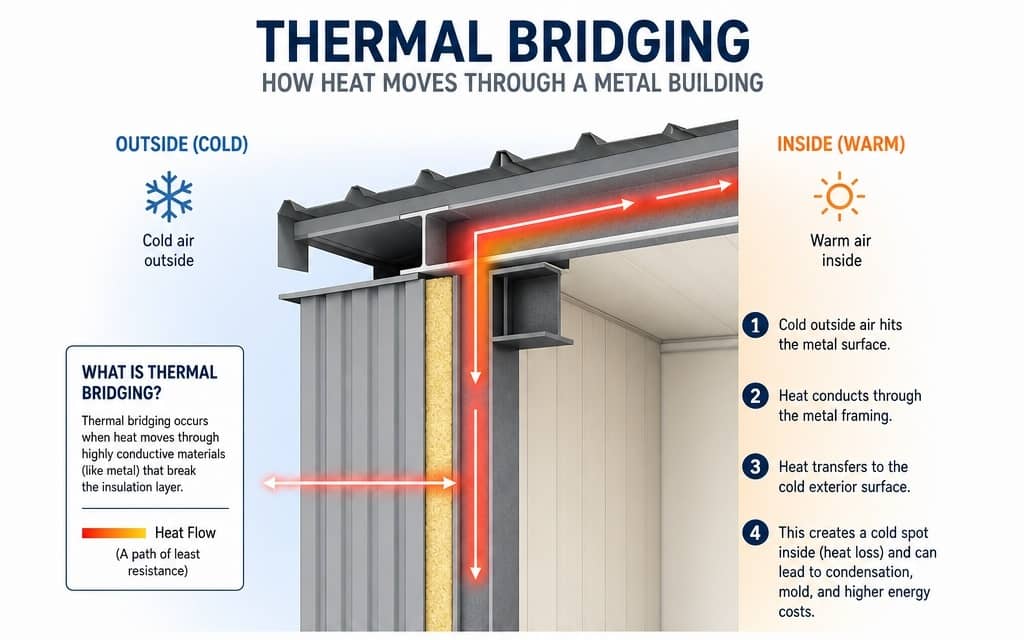
What Is Thermal Bridging in Metal Buildings? Thermal bridging in metal buildings occurs when highly conductive materials create pathways for heat to bypass the insulation. It most often…

Building Design
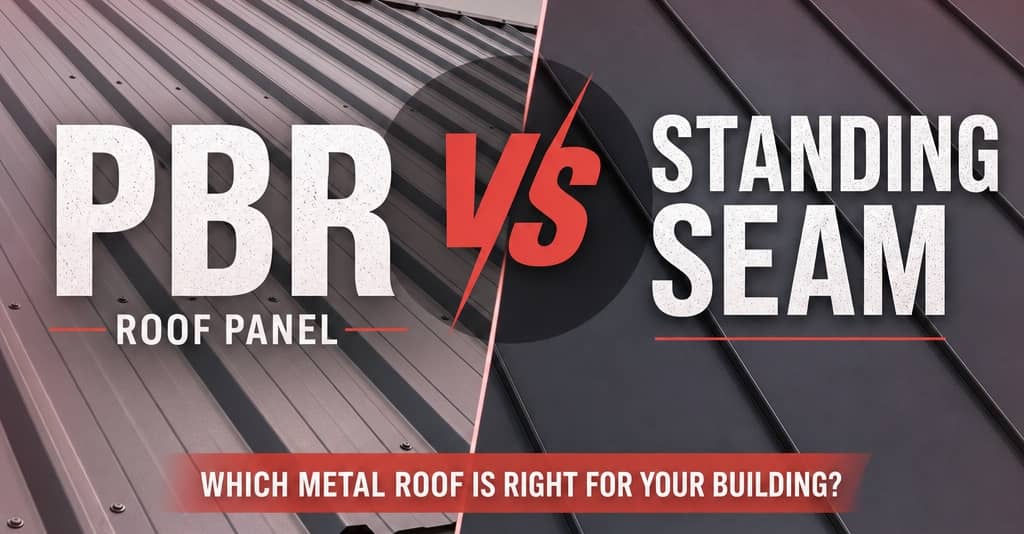
Which Metal Building Roof System Is Best for You, PBR Roof Panel vs Standing Seam? Metal building buyers almost always reach the same crossroads: deciding between PBR Roof…

Building Design
Key Takeaways Temperature swings are the primary driver of condensation in metal buildings Condensation leads to structural, safety, and maintenance problems Prevention requires insulation, ventilation, vapor barriers, and…