Do zoning laws apply to metal garages?
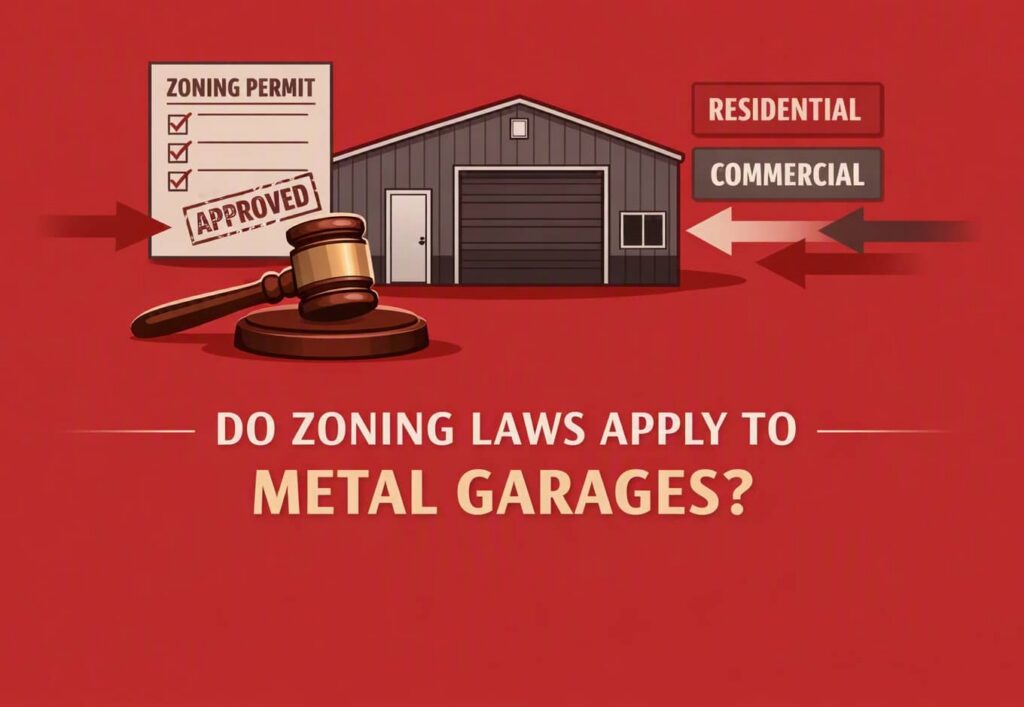
Yes, metal garages are subject to local zoning laws in virtually every US jurisdiction. Zoning regulations are set by city or county governments, not by any national code, and they govern where a garage can go, how big and tall it can be, and how it can be used. Confirming the rules before purchase or […]
How Do Wind Ratings Work for Metal Buildings?
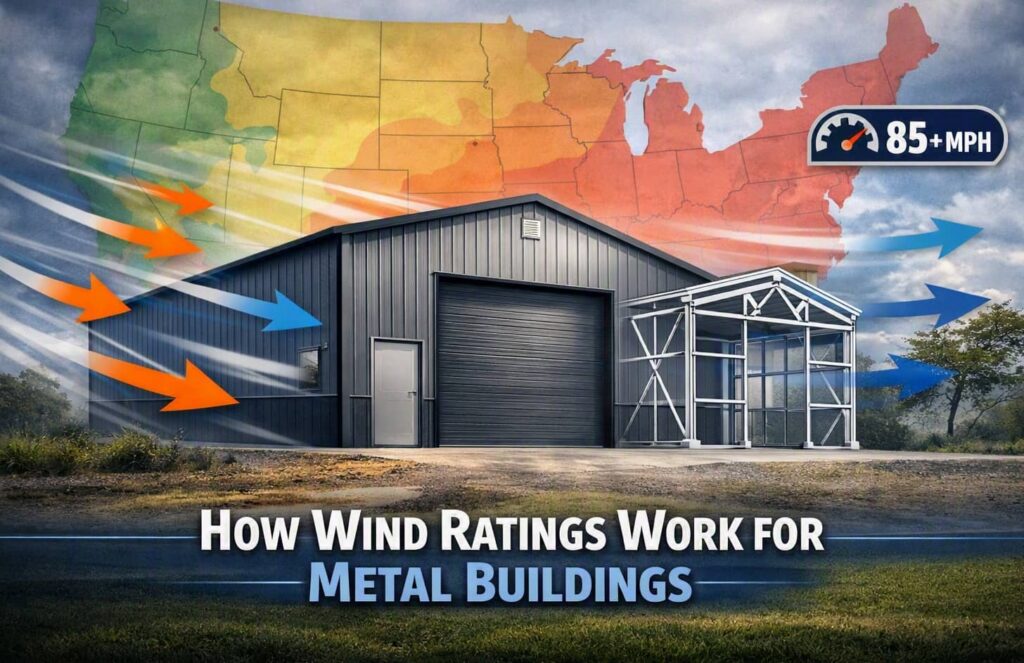
A wind rating is the maximum sustained wind speed a metal building is engineered to withstand without structural failure. Building codes set this rating using a 3-second gust measurement, not an average daily breeze. The rating is only valid when the entire system, including frame gauge, panels, fasteners, and anchors, is built to match it. […]
How Fire Resistant Metal Buildings Perform in Wildfire Zones and Why Insurers Favor Them
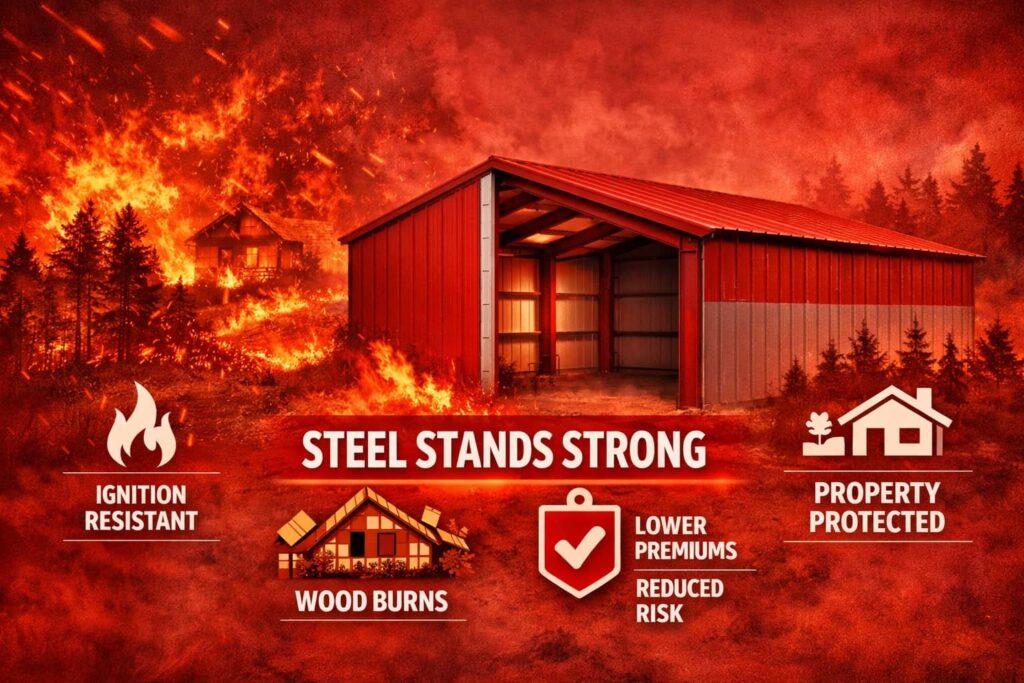
While metal buildings offer better protection against wildfire damage than wood structures, fire resistant metal buildings are not fireproof. Steel can lose strength under extreme heat, and proper design, insulation, and fire‑rated assemblies are essential for performance. Always consult local building codes and fire‑rating standards when planning a structure in wildfire‑prone areas. How Steel Structures […]
Are There Codes for Metal Prefabricated Warehouse Building: Do They Meet Requirements?
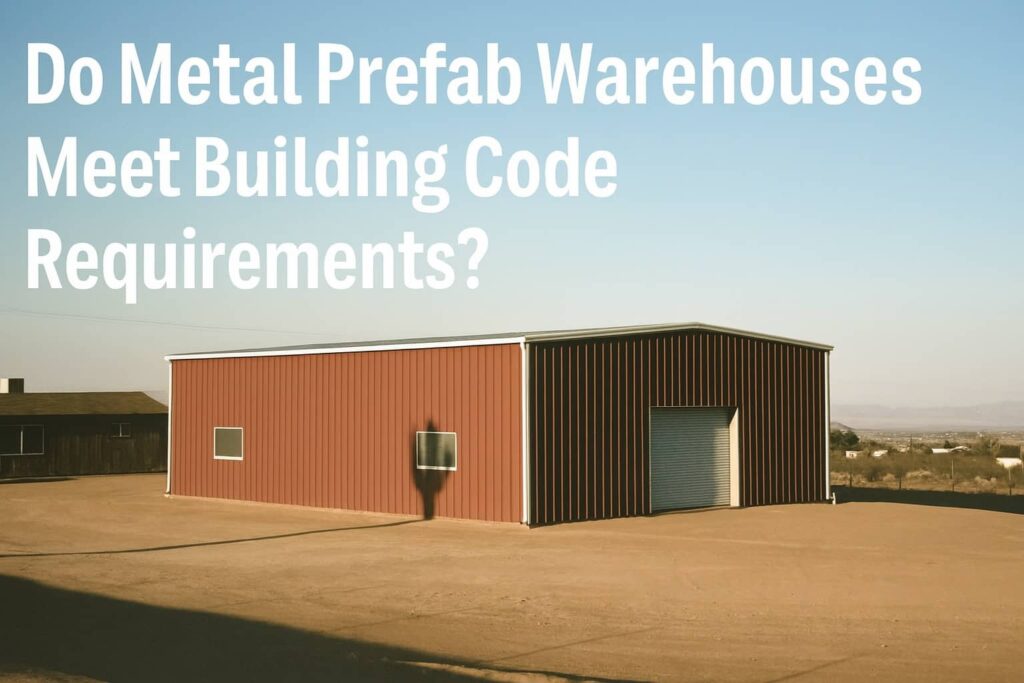
Ensuring compliance for steel buildings means detailed engineering plans and early coordination with local permitting offices. Curious how it applies to your project?
Understanding Load Ratings and Structural Integrity in Metal Buildings
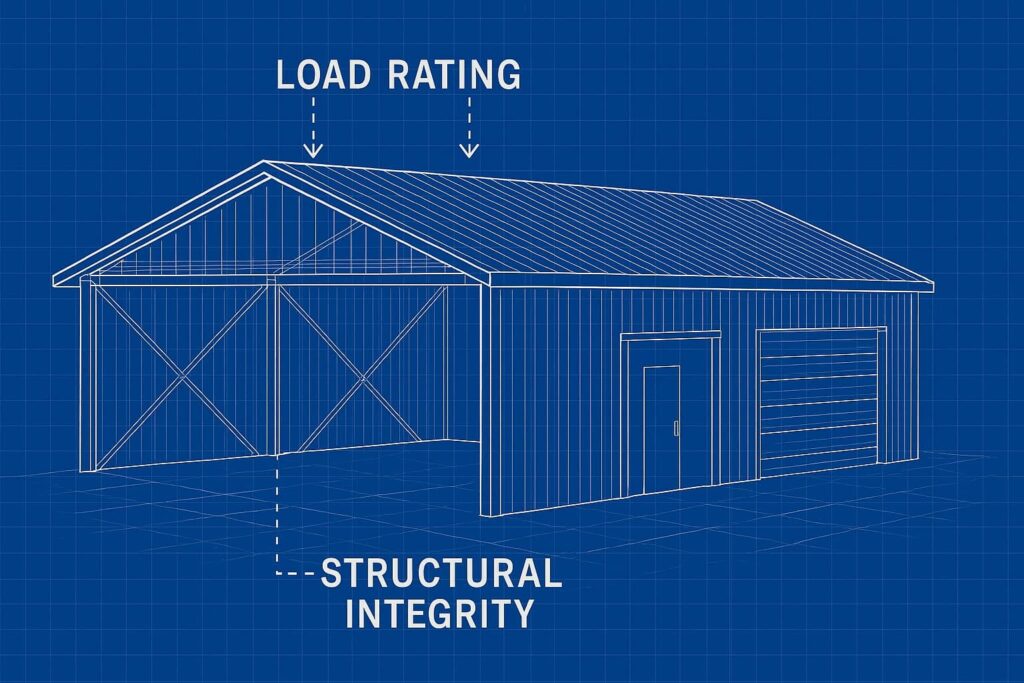
Load Ratings and Structural Integrity in Metal Buildings Understanding load ratings and structural integrity in metal buildings involves evaluating the maximum loads the structure can safely support, including dead, live, and environmental forces. Key factors such as material quality, design parameters, and connection interfaces influence overall stability and performance. Compliance with applicable codes guarantees safety […]